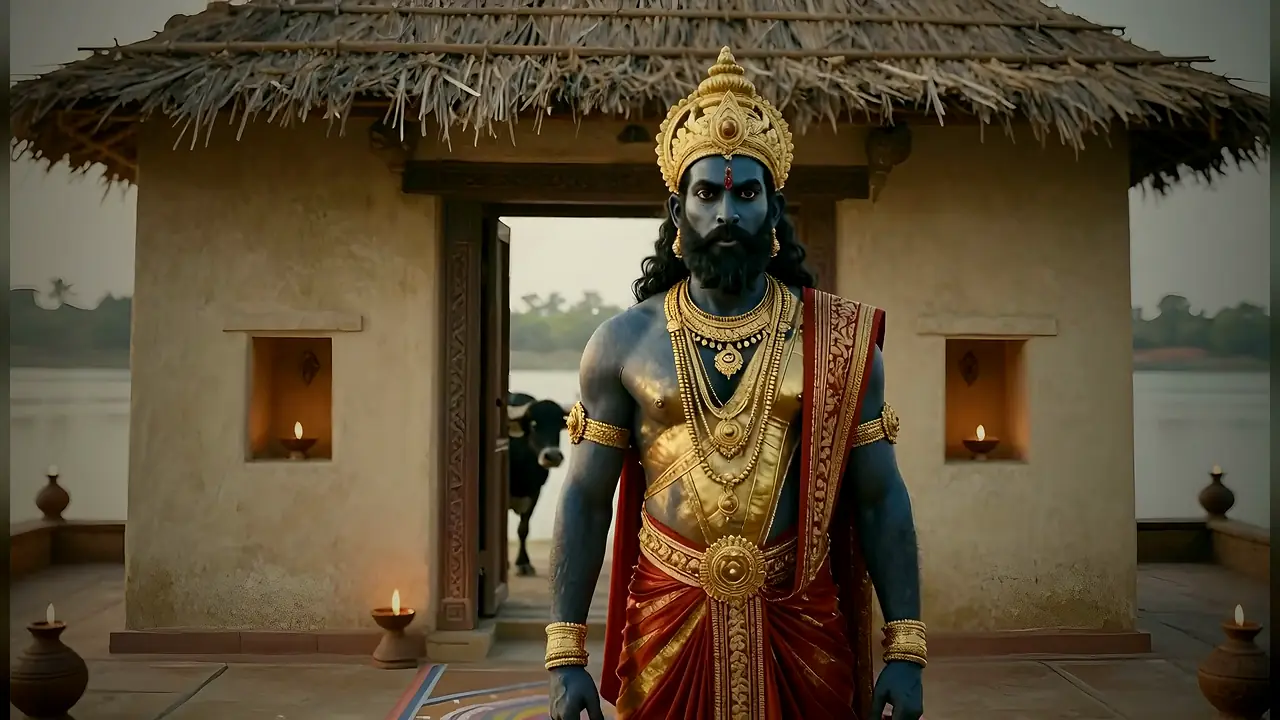
What did a sister once ask the god of death for? Her wish still protects brothers across India today. Every home in the world fears the day he comes to its door. Except one. His sister's.
एक बहन ने मृत्यु के देवता से क्या माँगा था? उसका वरदान आज भी पूरे भारत में भाइयों की रक्षा करता है। दुनिया का हर घर उस दिन से डरता है, जब वे उसके द्वार पर आते हैं। सिवाय एक घर के। उनकी बहन के घर के।
This is Bhai Dooj, the last day of Diwali. Why does a sister's tilak protect her brother? Why, in Mathura, do brothers and sisters walk into the river together at dawn, holding hands? It all begins with a brother whose duty never let him visit his sister.
यह है भाई दूज, दिवाली का अंतिम दिन। बहन का तिलक भाई की रक्षा क्यों करता है? मथुरा में भाई-बहन भोर में हाथ पकड़कर एक साथ नदी में क्यों उतरते हैं? यह सब शुरू होता है एक ऐसे भाई से, जिसका कर्तव्य उसे कभी अपनी बहन के घर जाने ही नहीं देता था।
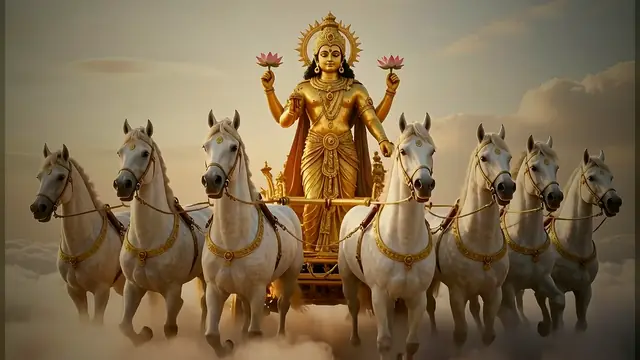
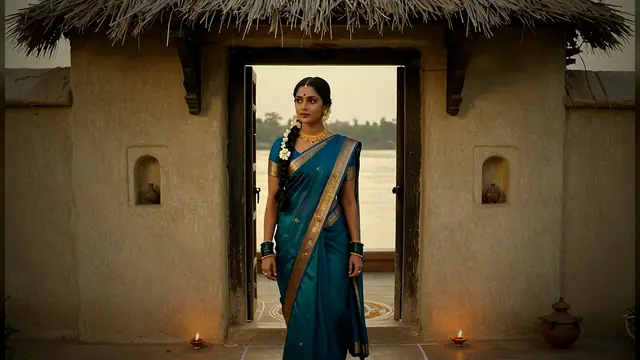
Yama and his twin sister Yamuna are the children of Surya, the Sun. Yama became the lord of death and of dharma. Yamuna became the sacred river that flows past Mathura. Born together. And yet, they lived apart.
यमराज और उनकी जुड़वाँ बहन यमुना, सूर्य देव की संतान हैं। यमराज मृत्यु और धर्म के स्वामी बने। यमुना वह पवित्र नदी बनीं, जो मथुरा के पास से बहती है। साथ जन्मे। फिर भी, अलग-अलग रहे।
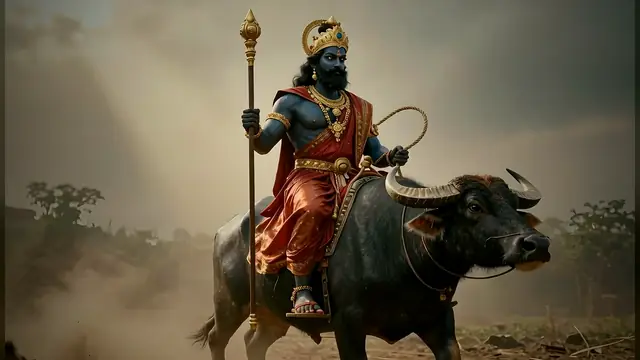
Yama's work never stops. He rides a buffalo, with a noose in his hand, and he comes for every living thing when its time is over. Kings, saints, children. And so, as the story is told in homes across India, the god of death never had a single day to visit his own sister.
यमराज का काम कभी नहीं रुकता। वे भैंसे पर सवार रहते हैं, हाथ में पाश लिए, और हर जीव का समय पूरा होने पर उसे लेने आते हैं। राजा, संत, बच्चे। और इसीलिए, जैसा भारत के घर-घर में सुनाया जाता है, मृत्यु के देवता के पास अपनी ही बहन से मिलने के लिए एक दिन भी नहीं था।
Yamuna loved her brother dearly. She invited him again and again, asking him to come home and eat with her. And every time, Yama was too busy to come.
यमुना अपने भाई से बहुत प्रेम करती थीं। उन्होंने बार-बार उन्हें बुलाया, कि घर आएँ और उनके साथ भोजन करें। और हर बार यमराज इतने व्यस्त रहे कि आ न सके।
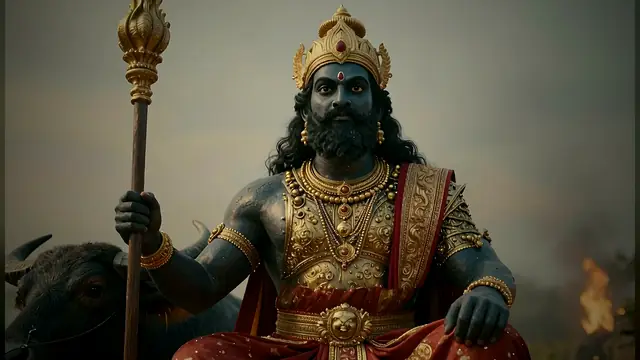
But one year, something changed.
पर एक साल, कुछ बदल गया।
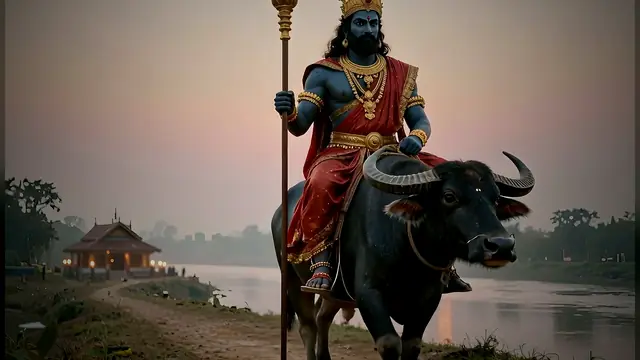
On the second day of the bright half of Kartika, Yama finally set out for his sister's home. And on the way, the god of death did something remarkable. As the tellings say, he set free the souls in hell. The Padma Purana says that on this day, those in hell are freed from all bondage. And then, he reached her door.
कार्तिक शुक्ल पक्ष की द्वितीया को, यमराज आख़िरकार अपनी बहन के घर के लिए निकल पड़े। और रास्ते में, मृत्यु के देवता ने कुछ अद्भुत किया। कथाएँ कहती हैं, उन्होंने नरक की आत्माओं को मुक्त कर दिया। पद्म पुराण कहता है कि इस दिन नरक में रहने वाले सब बंधनों से मुक्त हो जाते हैं। और फिर, वे उसके द्वार पर पहुँचे।
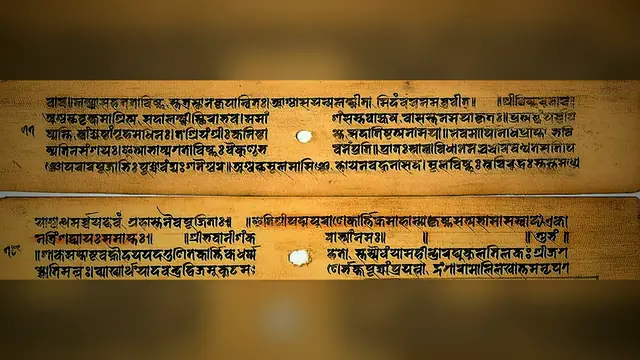
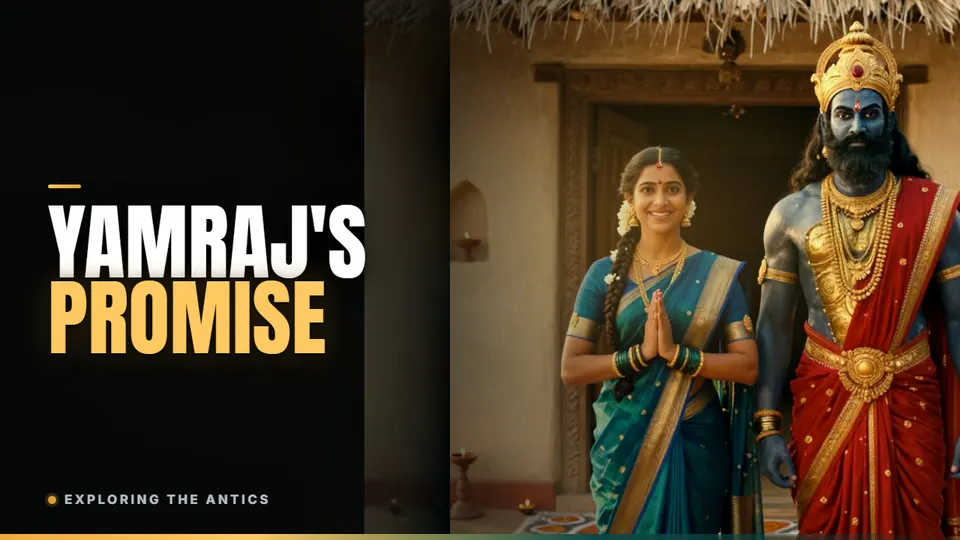
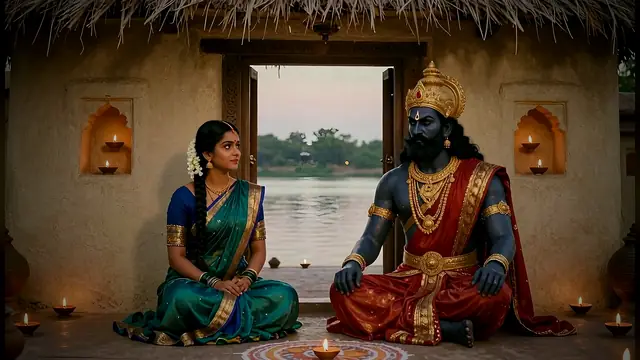
Yamuna welcomed her brother with joy. As the story is told, she put a tilak on his forehead and fed him with her own hands. The Padma Purana records it simply. On this day, Yama was fed and honoured by Yamuna, in her house.
यमुना ने बड़े आनंद से अपने भाई का स्वागत किया। जैसा कथा में सुनाया जाता है, उन्होंने उनके माथे पर तिलक लगाया और अपने हाथों से उन्हें भोजन कराया। पद्म पुराण इसे सीधे शब्दों में लिखता है। इसी दिन, यमुना ने अपने घर में यमराज को भोजन कराया और उनका सत्कार किया।
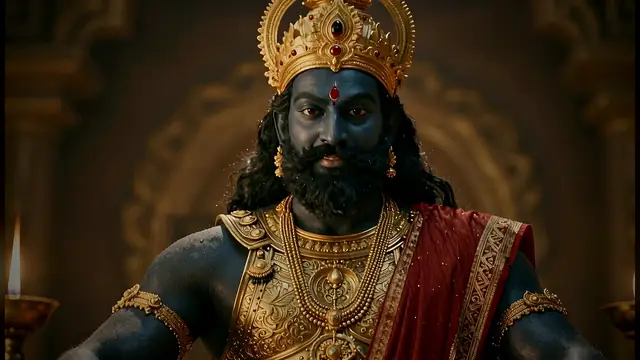
And then, as the story is told, the god of death, who comes for every life, offered to give. Ask me for any boon you wish, he told his sister. What would you have asked for?
और तब, जैसा कथा में सुनाया जाता है, मृत्यु के देवता, जो हर जीवन को लेने आते हैं, देने को तैयार हुए। उन्होंने अपनी बहन से कहा, जो चाहो वरदान माँग लो। आप होते, तो क्या माँगते?
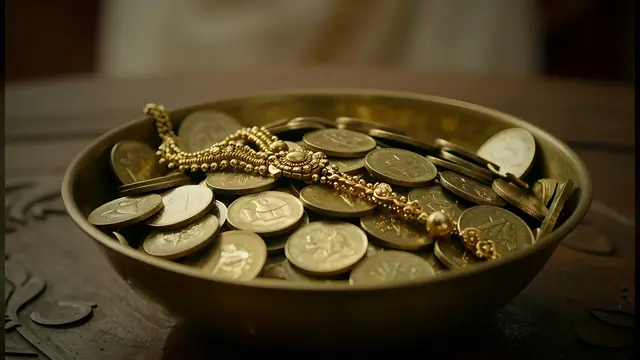
Think about that. Yamuna could have asked for gold. For jewels. For a long life. She asked for none of these. What she asked for instead is why your sister puts a tilak on your forehead today.
ज़रा सोचिए। यमुना सोना माँग सकती थीं। गहने। लंबी आयु। उन्होंने इनमें से कुछ नहीं माँगा। उन्होंने जो माँगा, उसी के कारण आज आपकी बहन आपके माथे पर तिलक लगाती है।
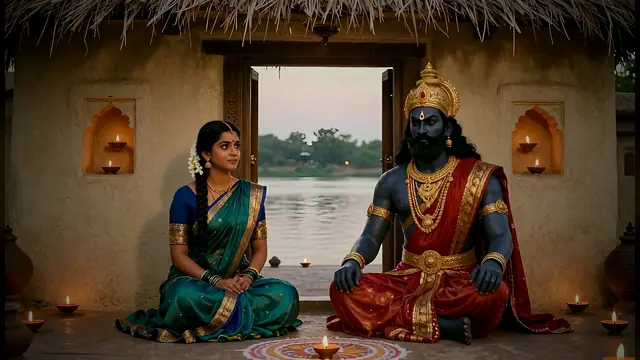
She said: Come to my home every year, on this same day. And any sister who puts a tilak on her brother today, let them never fear you.
उन्होंने कहा: हर वर्ष इसी दिन मेरे घर आना। और आज के दिन जो भी बहन अपने भाई को तिलक लगाए, उन्हें तुम्हारा भय कभी न हो।
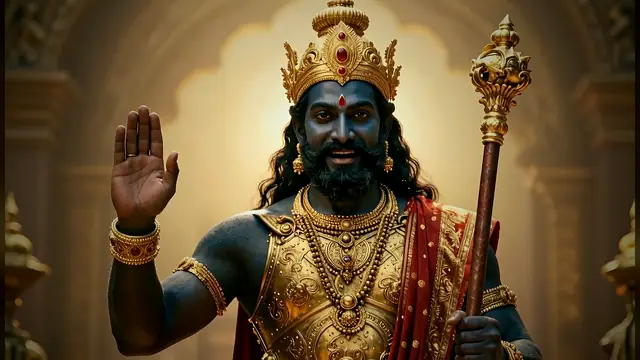
And the god of death gave his sister his word. So be it, he said. Tomorrow, the story of Chhath.
और मृत्यु के देवता ने अपनी बहन को वचन दे दिया। तथास्तु, उन्होंने कहा। कल, छठ की कथा।
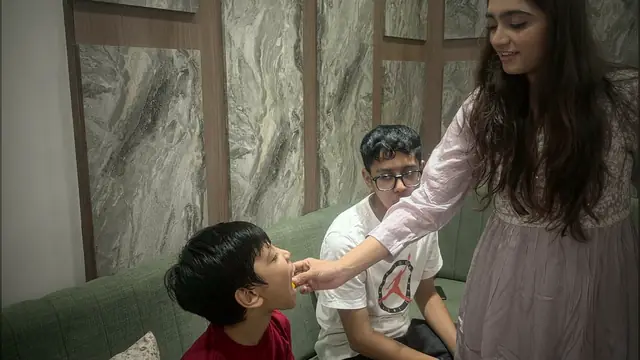
This story is told in homes across India. But it does not end there. The rule of this day is also written in scripture. The Padma Purana says that on this day, the wise should not eat at home. They should take their meal from their sister's hand, and give her gifts of gold ornaments and clothes. And whoever bathes in the Yamuna on this day, and worships Yama in the morning, it says, does not see Yama.
यह कथा भारत के घर-घर में सुनाई जाती है। पर बात यहीं ख़त्म नहीं होती। इस दिन का नियम शास्त्र में भी लिखा है। पद्म पुराण कहता है कि इस दिन बुद्धिमान लोग घर पर भोजन न करें। वे अपनी बहन के हाथ से भोजन करें, और उसे सोने के गहने और वस्त्र भेंट करें। और जो इस दिन यमुना में स्नान करके सुबह यमराज की पूजा करता है, शास्त्र कहता है, वह यमराज को नहीं देखता।
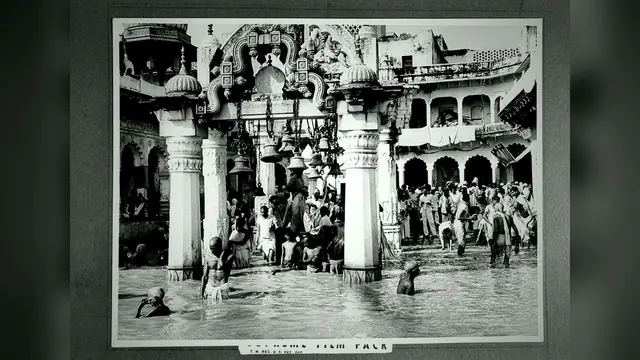
In Mathura, the bathing begins in the night, and by first light the ghats are full. At Vishram Ghat, the ghat of rest, where tradition says Krishna rested after he defeated Kamsa, brothers and sisters step down into the Yamuna together, holding hands. Every year, lakhs of them.
मथुरा में स्नान रात से ही शुरू हो जाता है, और भोर तक घाट भर जाते हैं। विश्राम घाट पर, जहाँ परंपरा कहती है कि कंस पर विजय के बाद श्रीकृष्ण ने विश्राम किया था, भाई और बहन हाथ पकड़कर एक साथ यमुना में उतरते हैं। हर साल, लाखों।
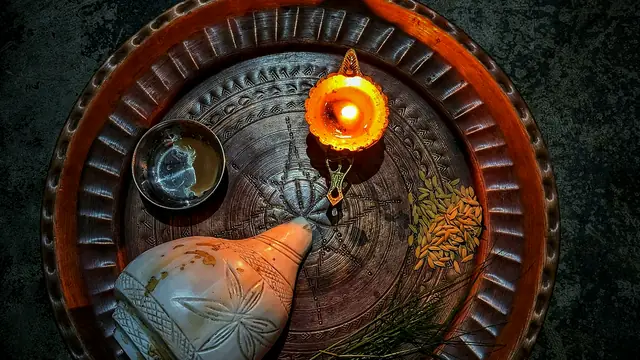
And across India and Nepal, sisters keep the same promise in their own words. In Maharashtra, it is Bhau Beej. In Nepal, Bhai Tika. And in Bengal, on Bhai Phonta, the words are fearless. As the sister places a mark of sandalwood on her brother's forehead, she speaks of Yama himself. On my brother's forehead I place this mark. And thorns fall at Yama's door.
और भारत और नेपाल में बहनें यही वचन अपने-अपने शब्दों में निभाती हैं। महाराष्ट्र में यह भाऊबीज है। नेपाल में भाई टीका। और बंगाल में, भाई फोंटा पर, शब्द निडर हैं। बहन भाई के माथे पर चंदन का टीका लगाते हुए स्वयं यमराज की बात करती है: भाई के माथे पर मैंने टीका लगाया, यम के द्वार पर काँटे पड़ गए।
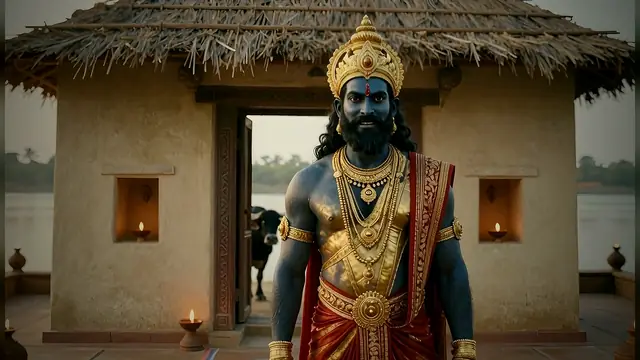
Think about what she is saying. The god of death is the one guest no home can turn away. And with one small mark, a sister puts thorns at his door, to keep him away from her brother.
ज़रा सोचिए, वह क्या कह रही है। मृत्यु के देवता वह अतिथि हैं, जिन्हें कोई घर लौटा नहीं सकता। और एक छोटे-से टीके से, बहन उनके द्वार पर काँटे रख देती है, ताकि वे उसके भाई से दूर रहें।
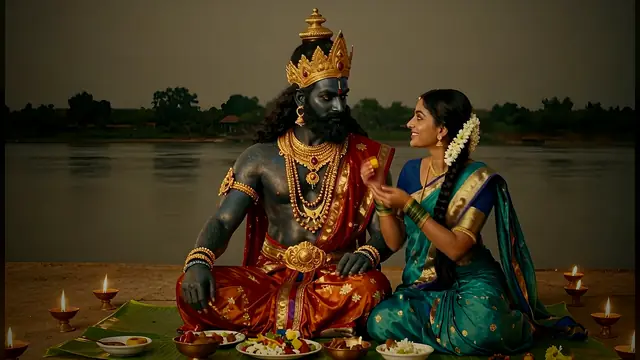
Death comes for everyone. Even the god of death could not find a single day for his own sister. But one day a year, he did. And on that one day, a brother goes to his sister's home, eats from her hand, and nothing in the world can come between them.
मृत्यु सबके लिए आती है। स्वयं मृत्यु के देवता को भी अपनी बहन के लिए एक दिन नहीं मिलता था। पर साल में एक दिन, उन्हें मिला। और उस एक दिन, भाई अपनी बहन के घर जाता है, उसके हाथ से भोजन करता है, और दुनिया की कोई चीज़ उनके बीच नहीं आ सकती।
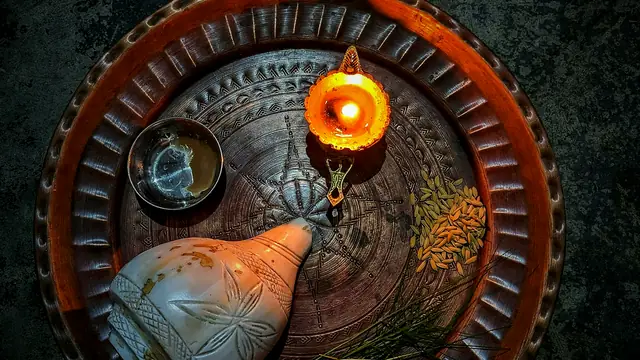
Today, when your sister puts the tilak on your forehead, or when you put it on your brother's, remember the promise the god of death made to his sister on this day. Happy Bhai Dooj, and a very happy end to your Diwali. May every brother and sister watching stay safe, and close, for a hundred years.
आज जब आपकी बहन आपके माथे पर तिलक लगाए, या आप अपने भाई को तिलक लगाएँ, तो याद रखिए वह वचन, जो इसी दिन मृत्यु के देवता ने अपनी बहन को दिया था। भाई दूज की हार्दिक शुभकामनाएँ, और आपकी दिवाली का शुभ समापन हो। यहाँ देख रहे हर भाई और बहन सुरक्षित रहें, और सौ बरस तक एक-दूसरे के पास रहें।
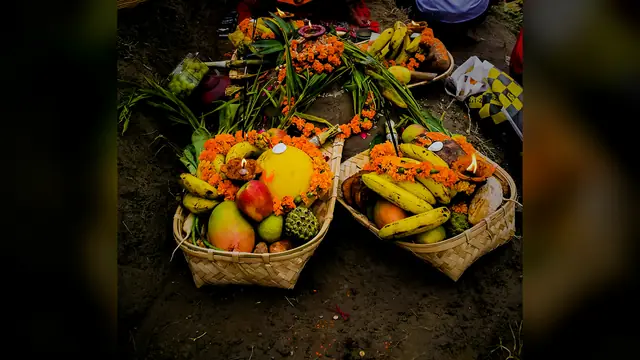
Diwali ends today, but the stories do not. Tomorrow: a king carried his newborn son to the cremation ground. And there, a goddess came to him. Who was she? That is the story of Chhath.
आज दिवाली समाप्त होती है, पर कथाएँ नहीं। कल: एक राजा अपने नवजात पुत्र को श्मशान ले गया। और वहाँ, एक देवी उसके पास आईं। वे कौन थीं? यही है छठ की कथा।