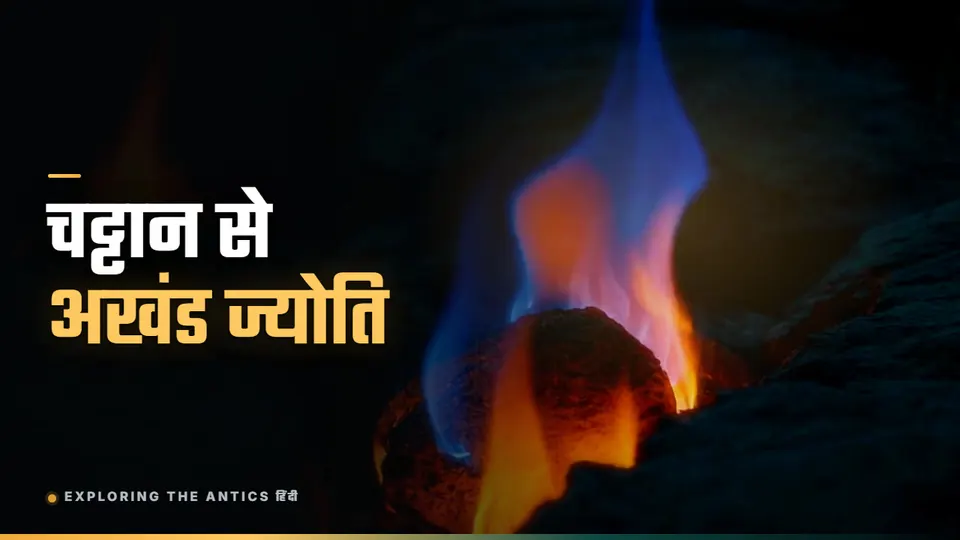
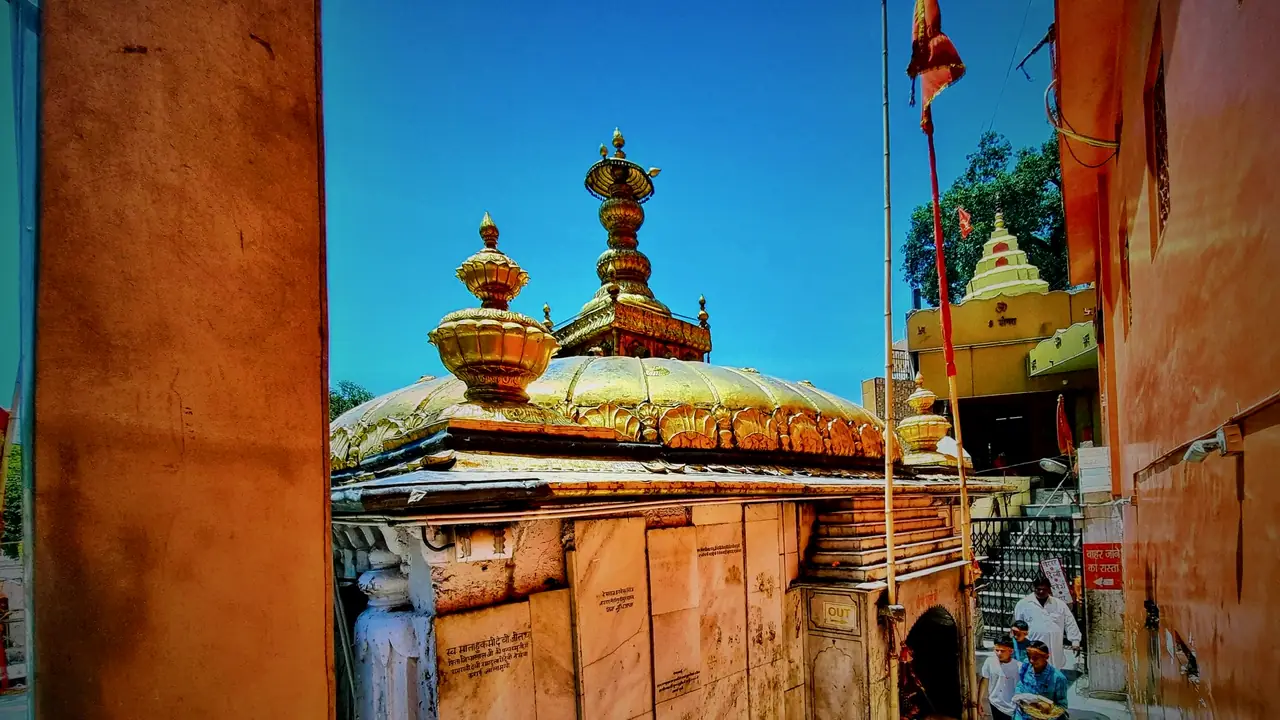
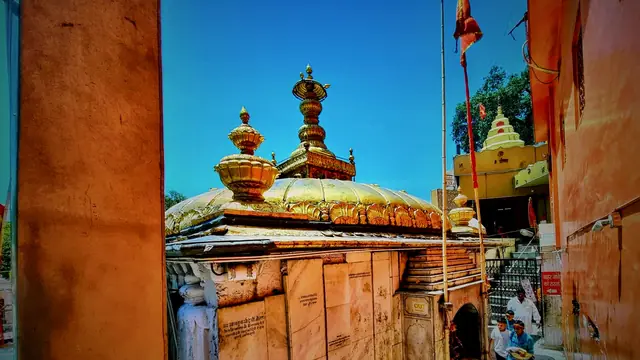
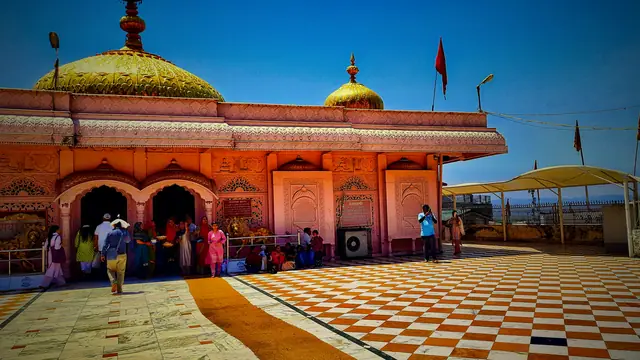
चट्टान से निकलती इन लपटों को आख़िर कौन जलाए रखता है? यहाँ ना कोई मूर्ति है, ना दीया, ना कोई ईंधन जो दिखे। श्रद्धालु कहते हैं, ये लपटें ख़ुद माँ ज्वाला हैं, जो सदियों से अखंड जल रही हैं। ये है हिमालय की तलहटी में ज्वाला जी मंदिर।
What keeps these flames burning out of solid rock? There is no idol here, no lamp, and no fuel that anyone can see. Devotees say the flames are the goddess herself. Geologists point to something deep underground. This is the Jwala Ji Temple, in the foothills of the Himalayas.
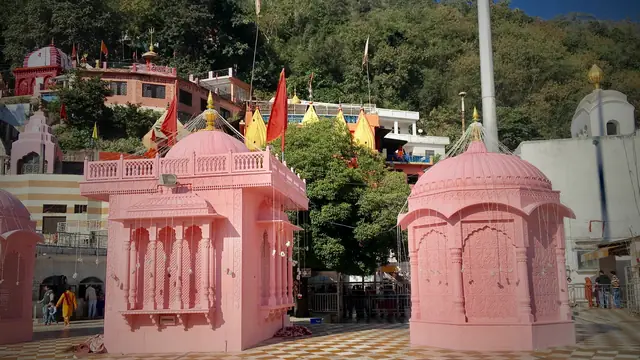
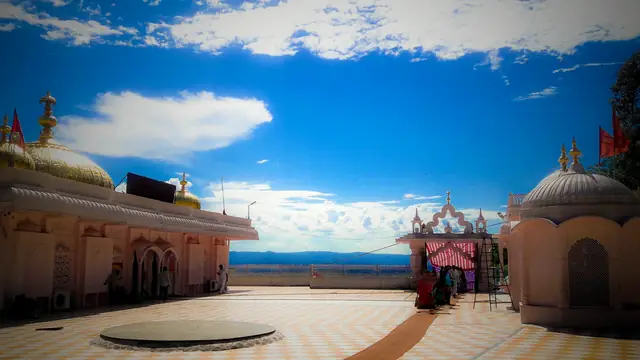
ये मंदिर हिमाचल प्रदेश के कांगड़ा ज़िले में, ज्वालामुखी शहर में है, धर्मशाला से क़रीब छप्पन किलोमीटर दूर। ज्वालामुखी का मतलब है, ज्वाला का मुख।
The temple stands in the town of Jawalamukhi, in the Kangra district of Himachal Pradesh, about fifty six kilometres from Dharamshala. The name Jawalamukhi means the mouth of flame.
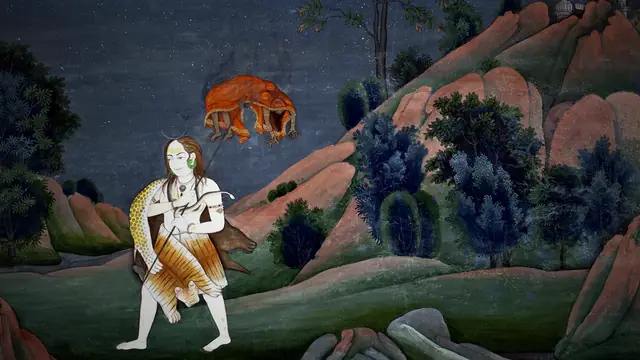
ये शक्तिपीठों में से एक है, यानी देवी के पवित्र स्थानों में से। कथा के अनुसार, जब देवी सती का शरीर धरती पर बिखरा, तो उनकी जीभ यहाँ गिरी, और वो इन लपटों के रूप में आज भी जीवित है।
It is one of the Shakti Peethas, the sacred shrines of the goddess. According to legend, when the body of the goddess Sati was scattered across the land, her tongue fell here, and it lives on in the form of these flames.
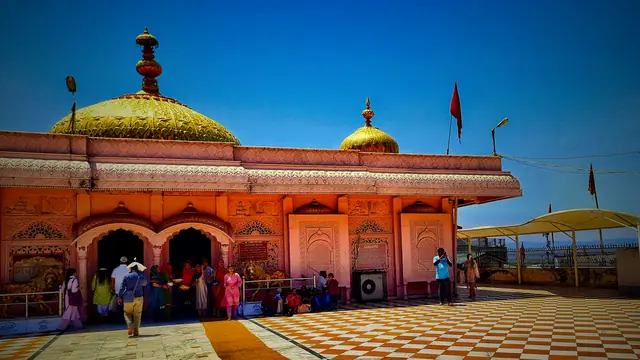
मंदिर के अंदर देवी की कोई मूर्ति नहीं है। इसकी जगह, चट्टान की दरारों से छोटी-छोटी लपटें उठती हैं, आम तौर पर सात या नौ। इन लपटों को ही देवी मानकर पूजा जाता है।
Inside the temple, there is no statue of the goddess. Instead, small flames rise from cracks in the rock, usually seven or nine of them. The flames themselves are worshipped as the goddess.
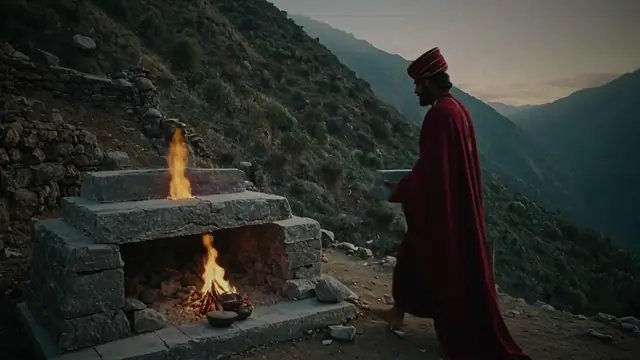
एक स्थानीय कथा बताती है कि ये स्थान कैसे मिला। एक ग्वाले ने पहाड़ों में जलती लपट देखी, और राजा को दिखाने ले गया। फिर राजा भूमि चंद ने उसके चारों ओर मंदिर बनवाया।
A local legend tells how the shrine was found. A cowherd discovered a flame burning in the mountains, and led a king to see it. The king, Raja Bhumi Chand, then ordered a temple to be built around it.
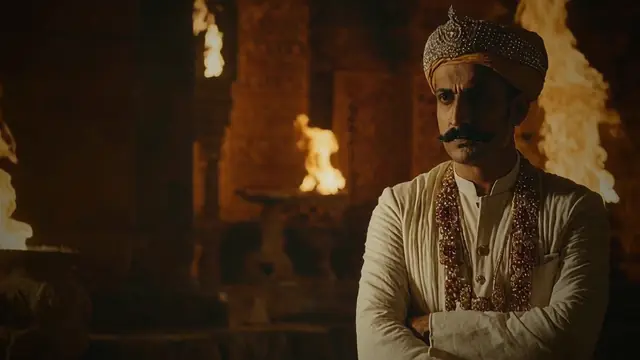
सबसे मशहूर कथा मुग़ल बादशाह अकबर से जुड़ी है। कहते हैं उन्हें देवी पर शक हुआ, और उन्होंने लोहे के तवे से, और ऊपर से पानी बहाकर, लपटें बुझाने की कोशिश की। पर लपटें जलती रहीं। फिर अकबर ने मंदिर को सोने का छत्र चढ़ाया, जो कथा के अनुसार किसी अनजान धातु में बदल गया।
The most famous legend involves the Mughal emperor Akbar. It is said that he doubted the goddess, and tried to put out the flames with an iron disc and by diverting water over them. But the flames kept burning. Akbar then offered a golden parasol to the shrine, which the legend says turned into an unknown metal.
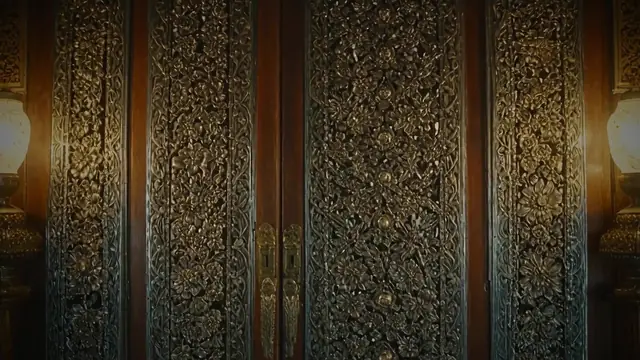
सदियों बाद, उन्नीसवीं सदी की शुरुआत में, सिख महाराजा रणजीत सिंह यहाँ आए, और मंदिर के गुंबद पर सोना चढ़वाया। बाद में उनके बेटे खड़क सिंह ने मंदिर को चाँदी मढ़े दरवाज़े दिए।
Centuries later, the Sikh ruler Maharaja Ranjit Singh visited the temple in the early nineteenth century, and had its dome covered in gold. His son, Kharak Singh, later gave the temple its silver plated doors.
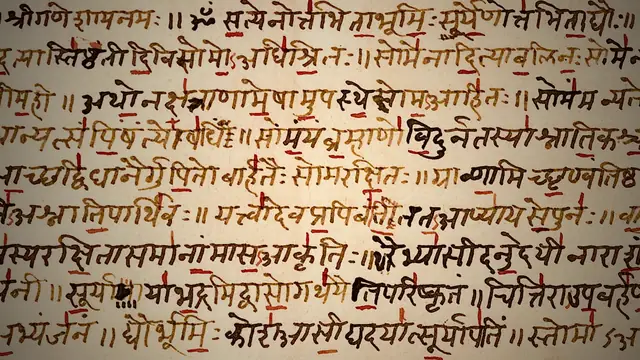
ये मंदिर ज्ञान का केंद्र भी था। कभी यहाँ हिंदू ग्रंथों का एक पुस्तकालय था, और चौदहवीं सदी में, दिल्ली के सुल्तान फ़ीरोज़ शाह तुग़लक़ ने उनमें से कई ग्रंथों का संस्कृत से फ़ारसी में अनुवाद करवाया।
The temple was also a place of learning. It once held a library of Hindu texts, and in the fourteenth century, the Delhi Sultan Firuz Shah Tughlaq had many of them translated from Sanskrit into Persian.
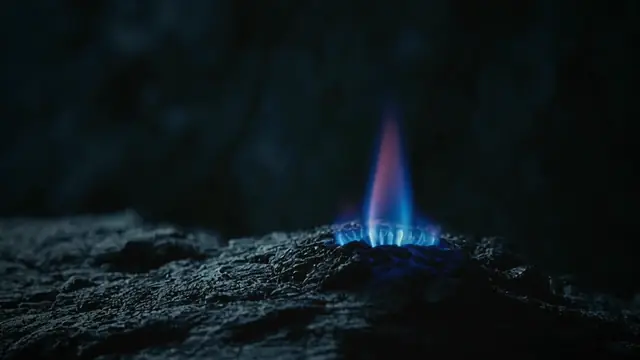
भक्तों के लिए ये माँ की ज्योति है। और धरती भी इसमें साथ देती है: चट्टान की दरारों से एक प्राकृतिक गैस निकलती है, और हवा से मिलते ही ज्योति बनकर जल उठती है। इसे पहली बार किसने जलाया, कोई नहीं जानता।
So what keeps the flames alive? The answer lies beneath the ground. Natural gas seeps up through cracks in the rocks here, and when it meets the air, it burns. No one knows who, or what, first set it alight.
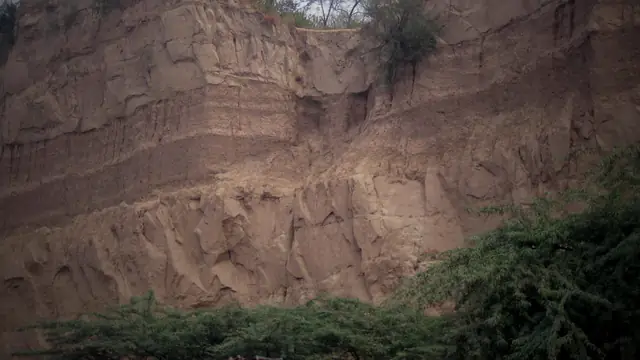
वैज्ञानिकों ने इस गैस की जाँच की है। ये क़रीब सत्तासी प्रतिशत मीथेन है, और बहुत गहराई से आती है, जहाँ ये ज़मीन के बहुत नीचे, लंबे समय में बनी।
Scientists have studied this gas. Their analysis found that it is about eighty seven percent methane, and that it comes from a deep source, formed over vast stretches of time far below the surface.
गैस की तलाश में इस इलाक़े में गहरे कुएँ भी खोदे गए हैं, उनमें से एक छह किलोमीटर से ज़्यादा गहरा। कोई बड़ा गैस भंडार नहीं मिला। बल्कि, सबूत बताते हैं कि गहरी चट्टानों से गैस धीरे-धीरे, लगातार रिसती है, बस इतनी कि पवित्र लपटें जलती रहें।
Geologists have even drilled deep wells in this region in search of gas, one of them to a depth of more than six kilometres. They did not find a large gas field. Instead, the evidence suggests a slow, steady seepage from deep layers of rock, just enough to keep the sacred flames alive.
ऐसी लपटें धरती पर कुछ और जगहों पर भी जलती हैं। पर यहाँ हिमालय में, यही लपटें माँ ज्वाला हैं, जिन्हें लाखों भक्त पूजते हैं।
Similar natural flames burn in a few other places on earth, wherever cracks in the rock let gas escape from deep below. But here in the Himalayas, they have become a goddess, worshipped by millions.
जय माँ ज्वाला!
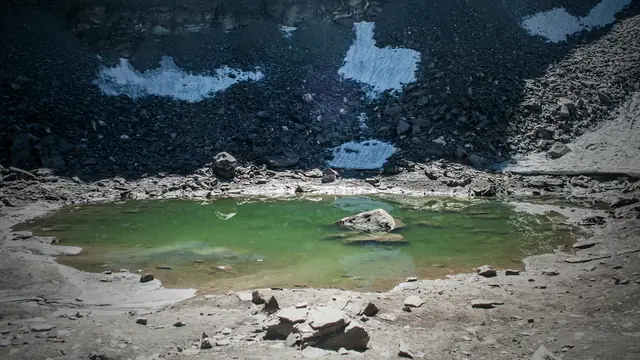
Science explains the gas. Faith explains the devotion. And next time, we climb more than five thousand metres, to Roopkund, the lake of skeletons.