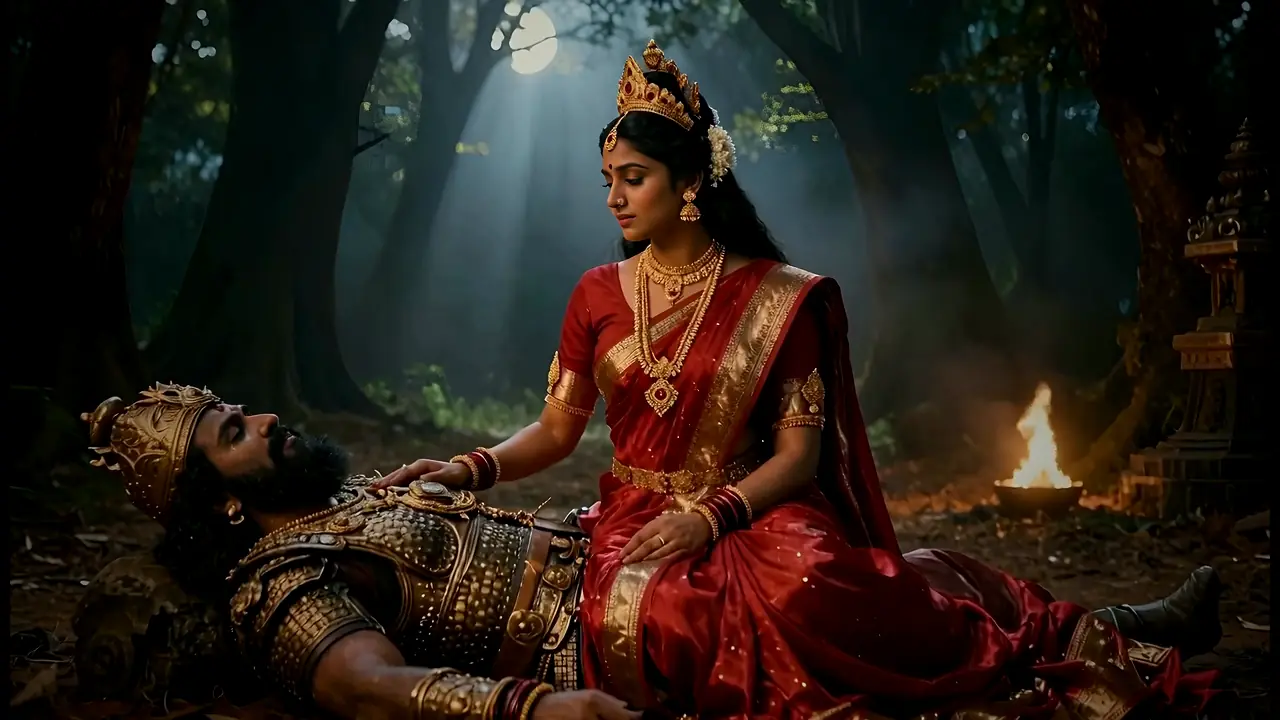
भगवान विष्णु काले पत्थर के रूप में क्यों पूजे जाते हैं, और एक पौधे से उनका विवाह क्यों होता है? उत्तर शुरू होता है एक अंधेरे वन में। एक पतिव्रता अपने पति को थामे हैं, जो उनकी आँखों के सामने फिर जी उठे हैं। पर उनकी बाँहों में उनके पति नहीं, स्वयं भगवान हैं। और अब वे जो कहेंगी, उसकी गूँज रामायण तक जाएगी।
Why is Lord Vishnu worshipped as a black stone, and married to a plant? The answer begins in a dark forest. A devoted wife holds her husband, brought back to life before her eyes. But the man in her arms is not her husband. He is the Lord himself. And the words she speaks next will echo all the way to the Ramayana.
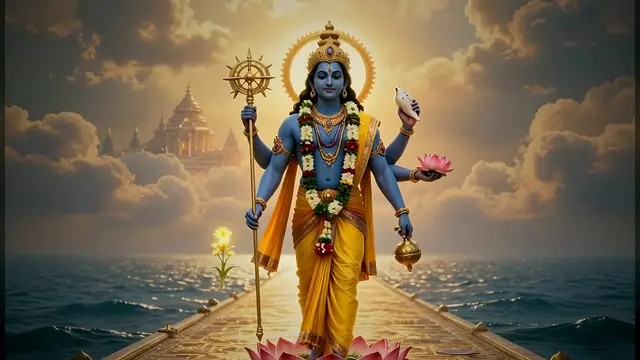
और इस कथा में भगवान को श्राप देने वाली वे अकेली पतिव्रता नहीं। एक और पतिव्रता के श्राप ने उन्हें पत्थर बना दिया, और भगवान ने उसे स्वीकार किया। यही है देव उठनी एकादशी, भगवान के जागने का दिन, और तुलसी विवाह, तुलसी से उनका विवाह। भगवान ने ऐसा क्यों किया? इन दो पतिव्रताओं ने क्या कहा? और एक पौधा उनकी वधू कैसे बना?
And she is not the only devoted wife in this story to curse the Lord. Another one's curse made him a stone, and he accepted it. This is Dev Uthani Ekadashi, the day the Lord wakes, and Tulsi Vivah, his wedding to Tulsi. Why did the Lord do it? What did these two devoted wives say? And how did a plant become his bride?
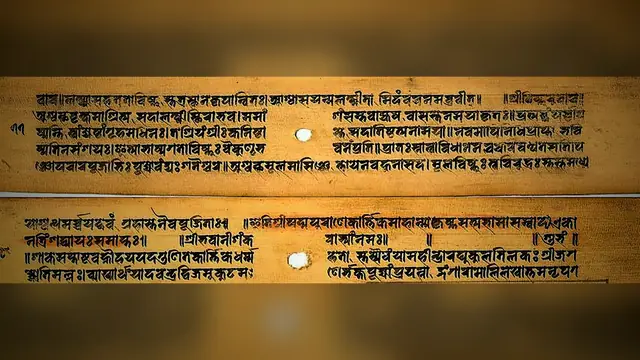
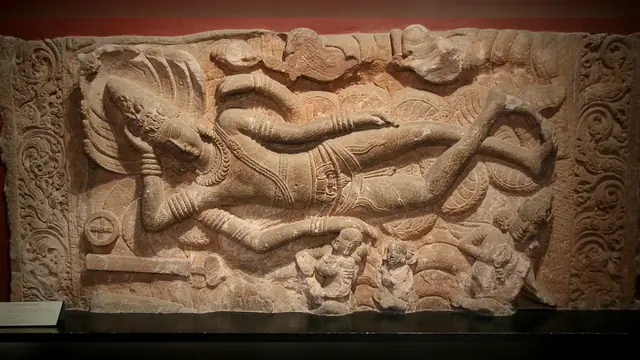
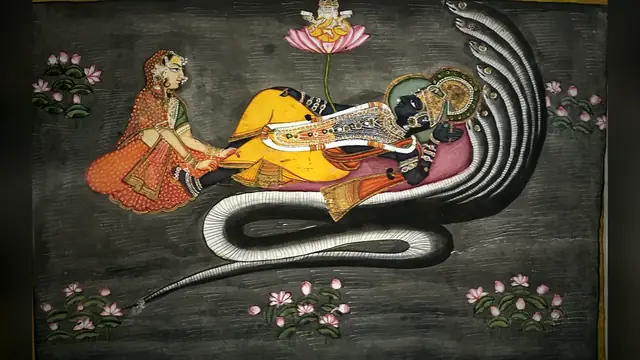
पद्म पुराण कहता है कि चार महीने, आषाढ़ से कार्तिक तक, भगवान विष्णु शेषनाग पर शयन करते हैं, और उनका एक रूप राजा बलि के पास रहता है। देव उठनी पर वे जागते हैं। पद्म पुराण प्रार्थना करता है, हे प्रभु, आप सोते हैं तो संसार भी सोता है। इसीलिए उन चार महीनों में विवाह नहीं होते, और उनके जागते ही विवाह फिर शुरू होते हैं। और स्कंद पुराण बताता है कि उसी शाम क्या होना चाहिए। एक विवाह। स्वयं उनका।
The Padma Purana says that for four months, from Ashadha to Kartika, Lord Vishnu sleeps on the serpent Shesha, while one form of him stays with King Bali. On Dev Uthani he wakes. The Padma Purana prays to him, when you sleep, O Lord, the world sleeps too. That is why no weddings are held in those four months, and why the wedding season begins again when he wakes. And the Skanda Purana says what must happen that same evening. A wedding. His own.

क्यों, यह जानने के लिए हमें एक युद्ध तक चलना होगा। शिव पुराण कहता है, एक बार भगवान शिव के तीसरे नेत्र से एक अग्नि निकली। उसे समुद्र में डाला गया, जहाँ नदी सागर से मिलती है। और लहरों में वह अग्नि एक भयंकर रूप वाला बालक बन गई, जो ज़ोर से रो रहा था। और जल्द ही, उसे देखने स्वयं ब्रह्मा जी आए।
To understand why, we have to go to a war. The Shiva Purana says a fire once leapt from Lord Shiva's third eye. It was cast into the sea, where the river meets the ocean. And in the waves, the fire became a baby, of terrifying form, crying aloud. And soon, Brahma himself came to see him.
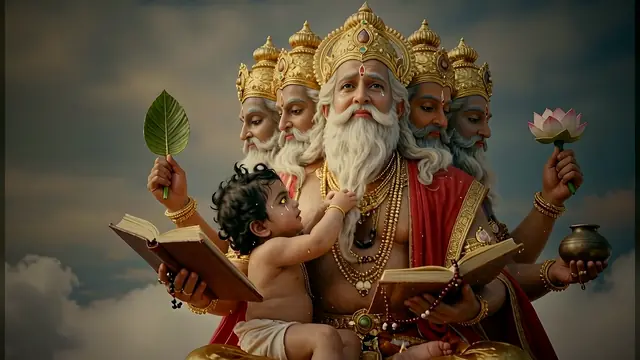
समुद्र ने उसे अपना पुत्र मानकर पाला। और जब ब्रह्मा जी आए, तो बालक ने उन्हें पकड़कर इतना झकझोरा कि ब्रह्मा जी की आँखों में जल भर आया। इसलिए ब्रह्मा जी ने उसका नाम रखा, जालंधर। और एक बात और कही। भगवान शिव के सिवा कोई भी उसका वध नहीं कर पाएगा।
The Ocean raised him as his own son. And when Brahma came, the child seized him and shook him until Brahma's eyes filled with water. So Brahma named him Jalandhara. And he added one more thing. No one but Lord Shiva could ever slay him.
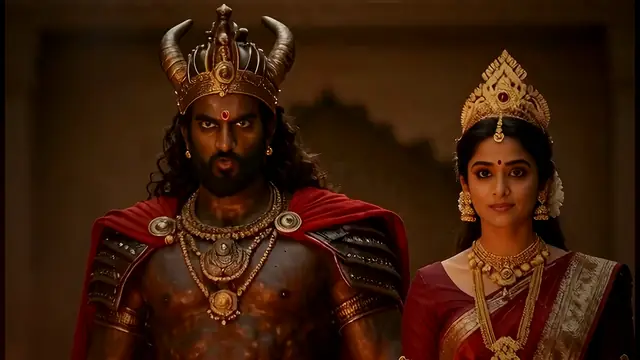
जालंधर बड़ा होकर एक महाबली असुर राजा बना। उसका विवाह कालनेमि की पुत्री वृंदा से हुआ, जो पूरी तरह अपने पति को समर्पित पतिव्रता थीं। और यही इस कथा का रहस्य है। जब तक वृंदा का पतिव्रत बना रहा, तब तक जालंधर को कोई मार नहीं सकता था। सब कुछ वृंदा पर टिका था।
Jalandhara grew into a mighty asura king. He married Vrinda, the daughter of Kalanemi, a wife wholly devoted to her husband. And this is the secret of the story. As long as Vrinda's vow to her husband stood, he could not be killed. Everything depended on Vrinda.
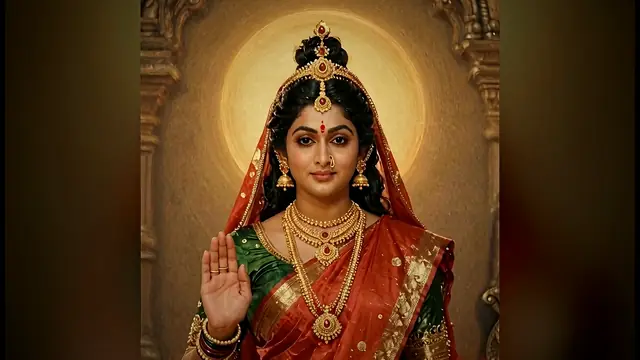
फिर जालंधर ने सीमा लाँघ दी। वह भगवान शिव का रूप धरकर माँ पार्वती के पास गया। माँ ने उसे तुरंत पहचाना, और अंतर्धान हो गईं। शिव पुराण कहता है, माँ ने भगवान विष्णु से कहा, वह महान दैत्य किसी और उपाय से नहीं मारा जा सकता। भगवान ने सिर झुकाकर स्वीकार किया। जालंधर तक का एक ही रास्ता था, वृंदा।
Then Jalandhara went too far. He took Lord Shiva's form, and went to Mother Parvati. She knew him at once, and vanished. And the Shiva Purana says she turned to Lord Vishnu. That great Daitya cannot be killed otherwise, she said. And the Lord bowed his head, and accepted. The only way to Jalandhara went through Vrinda.
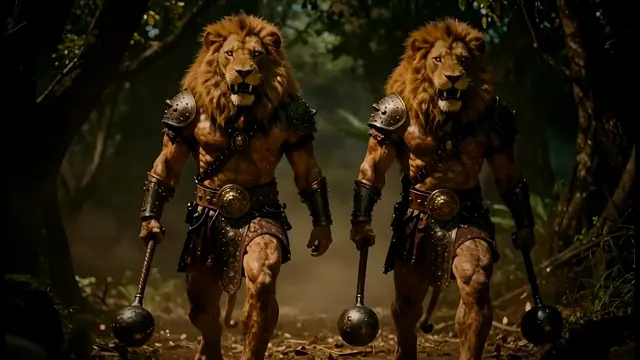
उस रात वृंदा ने स्वप्न में भयानक अपशकुन देखे। वे डरकर जागीं, और भटकती हुई वन में पहुँचीं। वहाँ सिंह-मुख वाले दो राक्षस उनके पीछे पड़े। एक मौन तपस्वी ने, अपने शिष्य के साथ, बस एक हुंकार से उन्हें भगा दिया। फिर दो वानर आए, उनके पति का सिर और धड़ लिए। तपस्वी ने उसे फिर जीवित किया, और अंतर्धान हो गए। वृंदा ने पति को फिर थाम लिया। पर जो उठे थे, वे जालंधर नहीं थे।
That night, Vrinda saw terrible omens in a dream. She woke in fear and wandered into the forest. There, two lion-faced Rakshasas chased her. A silent ascetic, with a disciple, drove them away with a single sound. Then two monkeys came, carrying her husband's head and body. The ascetic brought him back to life, and vanished. Vrinda held her husband again. But the man who rose was not Jalandhara.
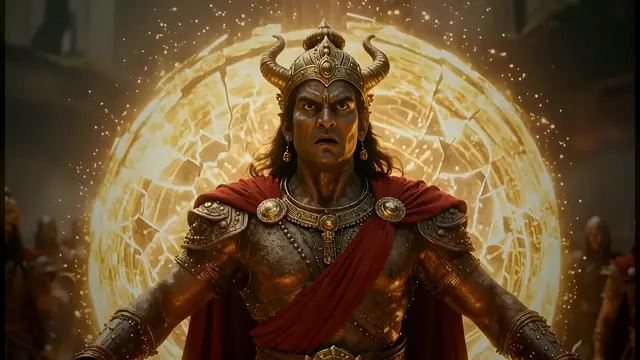
वे स्वयं भगवान थे, उनके पति के रूप में। और उनका पतिव्रत टूट गया। और उसी के साथ, दूर रणभूमि में, जालंधर की ढाल भी चली गई। और तब, शिव पुराण कहता है, वृंदा ने जाना कि वे कौन हैं। भगवान विष्णु।
It was the Lord himself, in her husband's form. And her vow was broken. And with it, far away on the battlefield, Jalandhara's shield was gone. And then, the Shiva Purana says, Vrinda realised who he was. Vishnu.
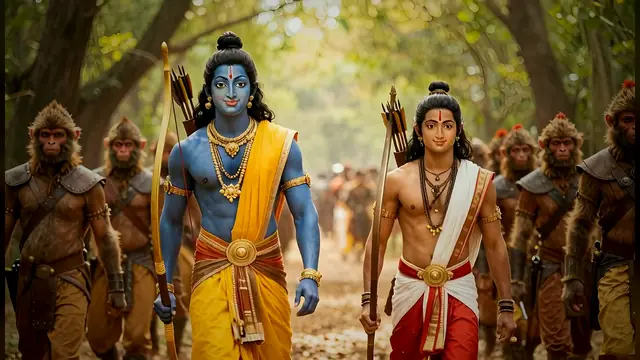
वृंदा क्रोध से भर उठीं। और शिव पुराण उनके शब्द दर्ज करता है। जिन दो लोगों को आपने मेरे सामने प्रकट किया, वे राक्षस बनेंगे, और आपकी पत्नी का हरण करेंगे। पत्नी के वियोग में आप दुखी होंगे। वन में आप वानरों की सहायता माँगेंगे। भक्त इन शब्दों में रामायण सुनते हैं: रावण द्वारा सीता माता का हरण, और वानरों के साथ वन में खोजते भगवान राम। और फिर वृंदा ने वह किया, जिसे कोई रोक नहीं सका।
Vrinda was furious. And the Shiva Purana records her words. The two persons whom you made to appear in front of me shall become Rakshasas, and abduct your wife. You will be distressed on account of separation from your wife. You will seek the help of monkeys in the forest. Devotees hear the Ramayana in those words: Sita carried away by Ravana, and Lord Rama searching the forest with the monkeys. And then Vrinda did something no one could stop.
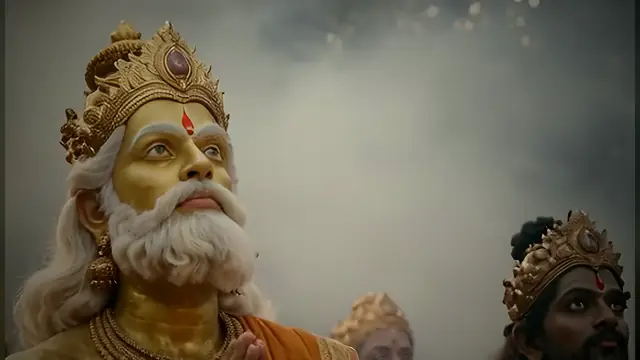
भगवान के रोकने पर भी, वृंदा ने अग्नि में प्रवेश किया। शिव पुराण कहता है, उनका तेज शिवलोक तक उठा और माँ पार्वती में समा गया, और आकाश में खड़े देवताओं ने जयघोष किया। रणभूमि में, शिव और पद्म पुराण कहते हैं, भगवान शिव ने सुदर्शन चक्र छोड़ा। जालंधर गिर पड़ा। पर भगवान वहाँ से नहीं गए।
Then Vrinda entered the fire, though the Lord tried to stop her. The Shiva Purana says her light rose to Shivaloka and merged in Mother Parvati, and the gods in the sky shouted, Victory. On the battlefield, the Shiva and Padma Puranas say, Lord Shiva released the Sudarshan Chakra. Jalandhara fell. But the Lord did not leave.
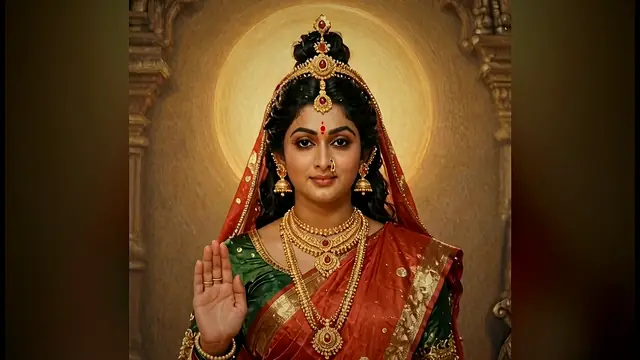
पुराण कहते हैं, भगवान उनकी चिता के पास खड़े रहे, उनकी भस्म में लिपटे, और कोई उन्हें सांत्वना न दे सका। न देवता, न ऋषि। तब देवताओं ने जगदंबा से प्रार्थना की।
The Puranas say he stood by her pyre, covered in her ashes, and could not be consoled. Not by the gods, not by the sages. So the gods prayed to the Mother of the universe.
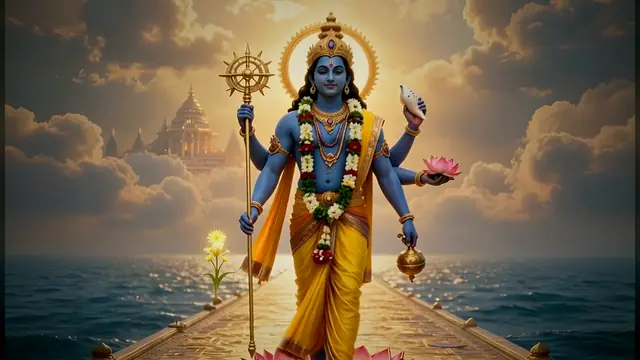
उनकी आज्ञा से देवियों ने देवताओं को बीज दिए, जो वहाँ बोने थे जहाँ भगवान खड़े थे, वृंदा की भस्म में। तीन पौधे उगे। और शिव पुराण कहता है, उनमें से एक माँ गौरी से प्रकट हुआ। तुलसी। तभी भगवान का शोक मिटा। वे तुलसी को साथ लेकर वैकुंठ गए, और तब से तुलसी उन्हें अत्यंत प्रिय हैं। फिर भी, इस कथा में अभी कोई पत्थर नहीं है। अभी नहीं।
At her word, the Goddesses gave them seeds, to be sown where the Lord was standing, in Vrinda's ashes. Three plants rose. And one of them, the Shiva Purana says, was born of Mother Gauri. Tulsi. Only then did the Lord's grief end. He took Tulsi with him to Vaikuntha, and she has been dear to him ever since. And yet, there is no stone in this story. Not yet.
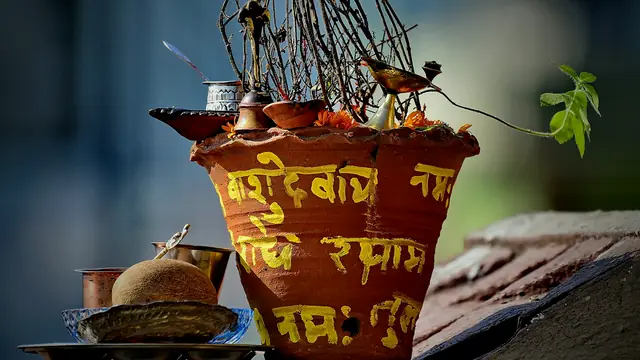
वृंदा की भस्म से हमें पौधा मिला। शिव पुराण में पत्थर एक और पतिव्रता से आता है। उनकी कथा वह कुछ अध्याय बाद कहता है। हम देवी भागवत के अनुसार चलेंगे। उनका नाम भी तुलसी था, राजा धर्मध्वज की पुत्री, जो कार्तिक पूर्णिमा की रात जन्मी थीं। और वे केवल एक ही चीज़ चाहती थीं।
Vrinda's ashes gave us the plant. In the Shiva Purana, the stone comes from another devoted wife. It tells her story a few chapters later. We will follow the Devi Bhagavata. Her name was Tulasi, the daughter of King Dharmadhvaja, born on the full moon night of Kartika. And she wanted only one thing.
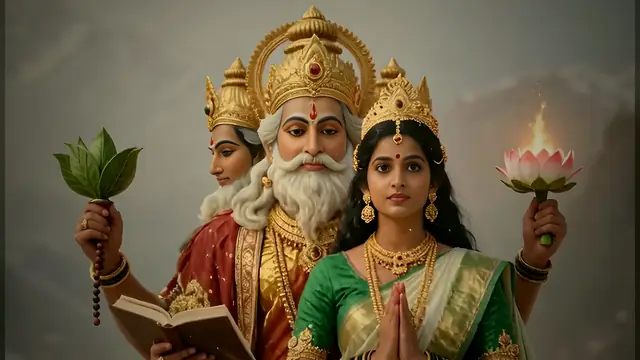
वे बदरी वन गईं, और उसके लिए तपस्या की। भगवान नारायण, पति रूप में। ब्रह्मा जी ने कहा कि पहले उनका विवाह शंखचूड़ से होगा, और उसके बाद ही नारायण से। शंखचूड़ गले में भगवान कृष्ण का कवच पहनता था। जब तक वह कवच पहने था, और उसकी पत्नी का पतिव्रत अटल था, धरती पर कोई उसे मार नहीं सकता था। वृंदा की कथा, फिर से।
She went to the forest of Badari and did tapasya for it. Narayana, as her husband. Brahma told her she would first marry Shankhachuda, and only afterwards, Narayana. Shankhachuda wore the armour of Lord Krishna around his neck. While he wore it, and while his wife's vow stood, no one on earth could kill him. It was Vrinda's story, all over again.
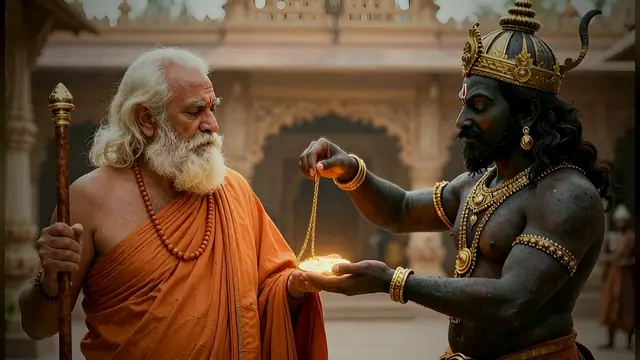
तो भगवान एक वृद्ध ब्राह्मण के वेश में शंखचूड़ के पास आए, और कवच माँगा। और शंखचूड़ ने दे दिया। फिर भगवान शंखचूड़ का रूप धरकर तुलसी के पास गए। पर तुलसी को लगा कि कुछ अलग है। उन्होंने पूछा, आप कौन हैं? हे मायावी! और भगवान ने अपना वास्तविक रूप प्रकट किया। तब तुलसी ने श्राप दिया। आपका हृदय पत्थर जैसा है। इसलिए आप पत्थर बन जाइए।
So the Lord came to Shankhachuda as an old Brahmin, and asked for the armour. And Shankhachuda gave it. Then he took Shankhachuda's form, and went to Tulasi. But she sensed something was different. Who are you, she asked. O Magician. And the Lord showed his true form. Then Tulasi spoke her curse. Thy heart is like a stone. So let Thee be turned into a stone.
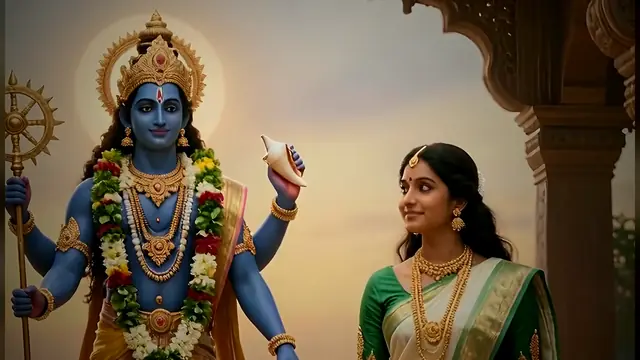
फिर उन्होंने वह प्रश्न पूछा, जो हम सब पूछते। दूसरों के लिए आपने अपने ही भक्त को क्यों मारा? वृंदा के समय भगवान उनकी भस्म में खड़े रहे थे, कोई उन्हें सांत्वना न दे सका। तुलसी को भगवान ने उत्तर दिया, और उत्तर पूरी कथा पलट देता है। तुमने मुझे पाने के लिए बहुत समय तपस्या की। अब उचित है कि तुम्हें तुम्हारा माँगा हुआ फल दूँ। इसीलिए मैंने यह किया।
And then she asked the question any of us would ask. Why did you kill your own devotee, for the sake of others? With Vrinda, the Lord had stood in her ashes, and could not be consoled. With Tulasi, he answered, and his answer turns the whole story around. For a long time you performed tapasya, to get me. Now it is right that I give you the fruit you asked for. Therefore I have done this.
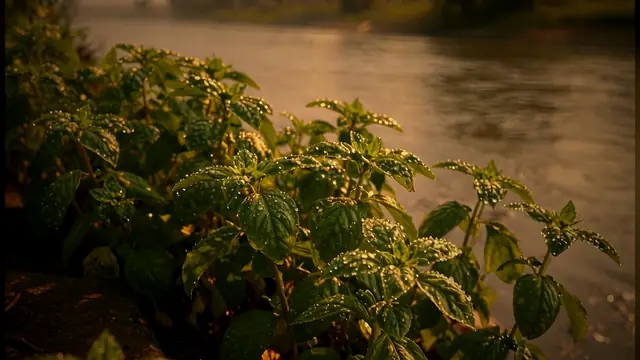
फिर भगवान ने आशीर्वाद दिया। तुम्हारा शरीर गंडकी नदी बनेगा। तुम्हारे केश पवित्र वृक्ष बनेंगे, तुलसी कहलाएँगे। तुम लक्ष्मी के समान होगी। और मैं तुम्हारी नदी के तट पर पत्थर बनूँगा। तीखे दाँतों वाले कीट उन पत्थरों पर छल्ले उकेरते हैं, उनके चक्र के चिह्न। यही है शालिग्राम। ग्रंथ कहते हैं, तुलसी दल के बिना उनकी पूजा अधूरी है। इसीलिए देवी भागवत कहता है, पत्थर और पौधे को कभी अलग न रखें।
Then he blessed her. Your body will become the Gandaki river. Your hair will become sacred trees, called Tulsi. You will be like Lakshmi. And I will become a stone, on the bank of your river. Insects with sharp teeth carve rings into those stones, the marks of his chakra. That is the Shaligram. And without a Tulsi leaf, the texts say, his worship is not complete. That is why, the Devi Bhagavata says, the stone and the plant must never be kept apart.
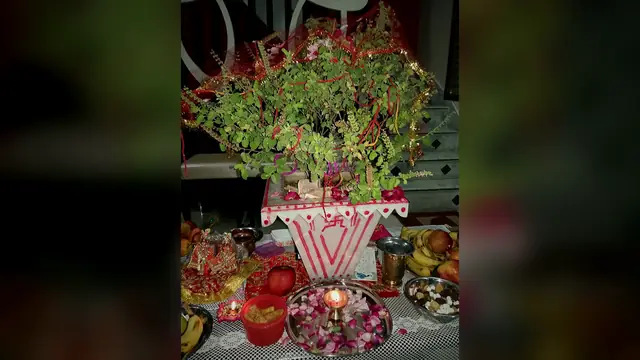
बहुत-से घरों में ये दोनों कथाएँ एक ही कथा की तरह सुनाई जाती हैं: वृंदा, पत्थर, और हर वर्ष उनसे विवाह का वचन। वैष्णवों के लिए तुलसी देवी भगवान की नित्य प्रिया हैं। और दोनों कथाएँ एक ही आँगन तक ले जाती हैं। जब भगवान जागते हैं।
In many homes, these two stories are told as one: Vrinda, the stone, and a promise to marry her every year. For Vaishnavas, Tulsi Devi is the Lord's eternal beloved. And both tellings lead to the same courtyard. When God wakes.
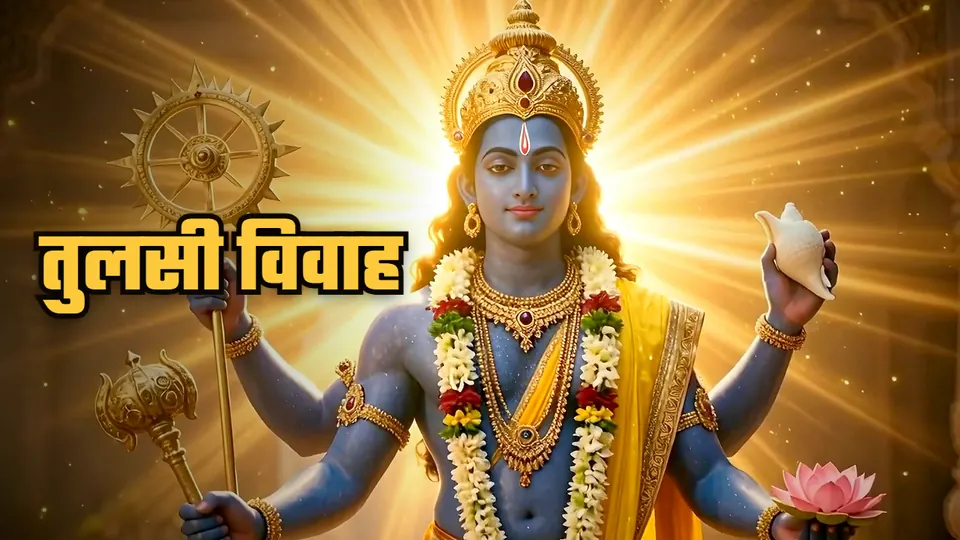
स्कंद पुराण उन्हें जगाने के शब्द देता है। हे गोविंद, उठिए, जागिए। हे लक्ष्मीकांत, उठिए। तीनों लोकों का मंगल कीजिए। परिवार खड़िया से भगवान के चरण बनाते हैं, उन पर गन्ना रखते हैं, थाली बजाते हैं, और गाते हैं, उठो देव। पद्म पुराण कहता है, इस रात जागरण करने से हज़ारों जन्मों के पाप रुई के ढेर की तरह जल जाते हैं। फिर, साँझ ढले, चार गन्नों से विवाह का मंडप बनता है, और तुलसी को दुल्हन की तरह सजाया जाता है।
The Skanda Purana gives the words to wake him. O Govinda, get up, wake up. O Lover of Lakshmi, get up. Make the three worlds auspicious. Families draw the Lord's feet in chalk, place sugarcane on them, beat a plate, and sing, Utho Dev. The Padma Purana says that staying awake through this night burns away the sins of thousands of births, like a heap of cotton. Then, at dusk, four sugarcane stalks become a wedding canopy, and Tulsi is dressed as a bride.
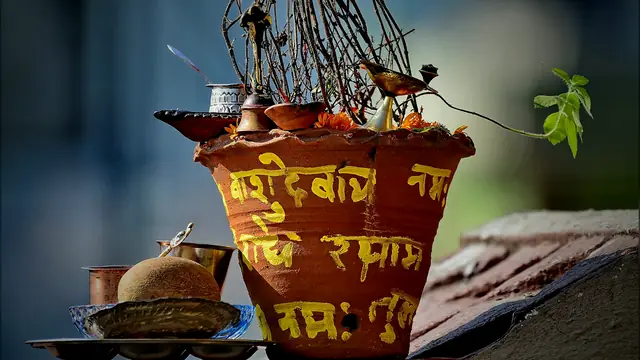
शालिग्राम दूल्हा बनकर आते हैं। परिवार फेरे लगाते हैं, और तुलसी को अपनी बेटी की तरह सौंपते हैं, और स्कंद पुराण कहता है कि इससे कन्यादान का पुण्य मिलता है। महाराष्ट्र में मंगलाष्टक गाया जाता है। ब्रज में हल्दी, मेहंदी और बारात होती है। आंध्र प्रदेश और तेलंगाना में इसे तुलसी कल्याणम् कहते हैं। दो पतिव्रता पत्नियाँ। और एक विवाह, जो हर वर्ष लौट आता है।
The Shaligram comes as the groom. Families walk the circles and give her away like a daughter, and the Skanda Purana says that brings the merit of giving a daughter in marriage. In Maharashtra the Mangalashtak is sung. In Braj there is haldi, mehendi and a baraat. In Andhra Pradesh and Telangana it is called Tulasi Kalyanam. Two devoted wives. And one wedding that returns every year.
एक पवित्र पत्थर, और एक पवित्र पौधा। हर वर्ष, जब भगवान जागते हैं, पूरा देश इन्हें मिलाता है। कुछ घर इसे कार्तिक पूर्णिमा तक किसी भी दिन करते हैं। अपना स्थानीय पंचांग देखिए, और तुलसी दल पहले से तोड़ लीजिए: ग्रंथ कहते हैं, द्वादशी को तुलसी न तोड़ें, और कई घर एकादशी को भी नहीं तोड़ते। देव उठनी एकादशी की हार्दिक शुभकामनाएँ, और तुलसी विवाह की मंगलकामनाएँ।
A sacred stone, and a sacred plant. And every year, when God wakes, the whole country brings them together. Some homes hold it on any day up to Kartik Purnima. Check your local panchang, and pick your Tulsi leaves early: the texts say not to pluck them on Dwadashi, and many homes avoid Ekadashi too. Happy Dev Uthani Ekadashi, and a blessed Tulsi Vivah.