हर साल, घर-घर दीप जलते हैं, भगवान राम के स्वागत में। उत्तर भारत में यह दिवाली की सबसे प्यारी कथा है, और इस हफ़्ते हम इसे प्रेम से सुनाएँगे।
Every year, homes light lamps to welcome Rama home. In northern India, it is one of the dearest stories of Diwali, and this week we tell it as it is remembered, with love.
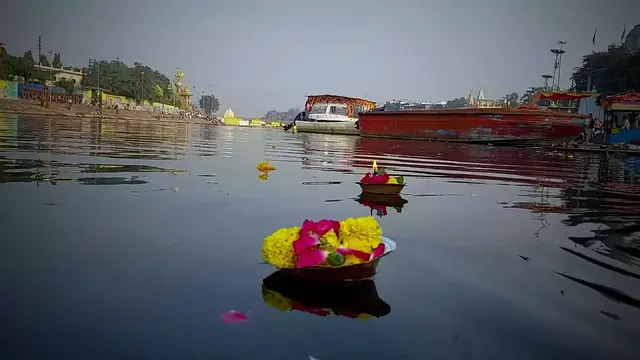
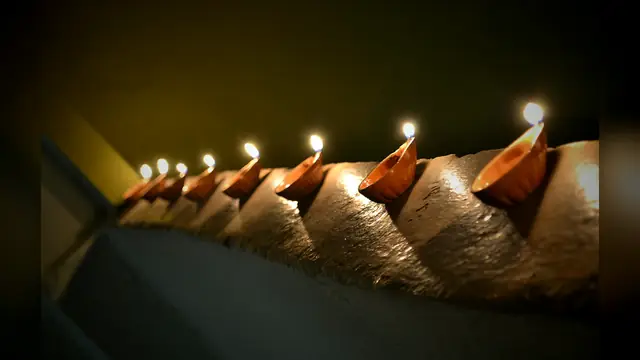
दिवाली, या दीपावली, का अर्थ है दीपों की पंक्ति। करोड़ों लोगों के लिए यह प्रकाश का पर्व है, अँधेरे पर उजाले की जीत, और बुराई पर अच्छाई की जीत।
Diwali, or Deepavali, means a row of lamps. For millions of people, it is the festival of light, the victory of light over darkness, and of good over evil.
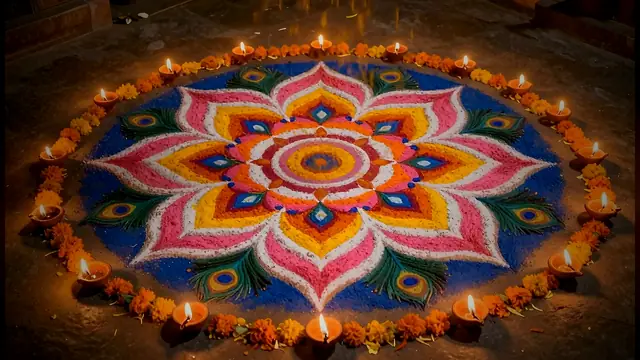
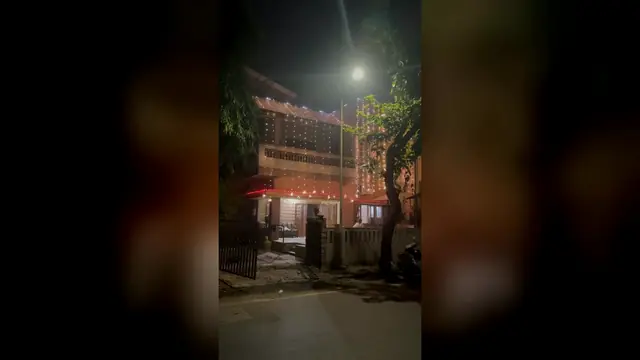
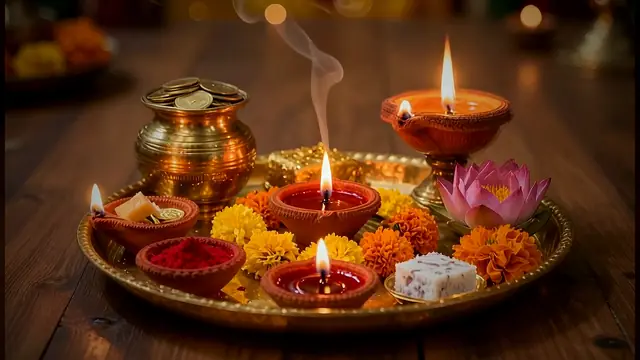
घर सजाए जाते हैं, और द्वार पर रंगोली बनती है। साँझ को दीप जलते हैं, माँ लक्ष्मी की पूजा होती है, मिठाइयाँ बँटती हैं, और परिवार साथ होता है।
Homes are cleaned and decorated, and rangoli is drawn at the doorstep. Lamps are lit at dusk, prayers are offered to Lakshmi, sweets are shared, and families come together.
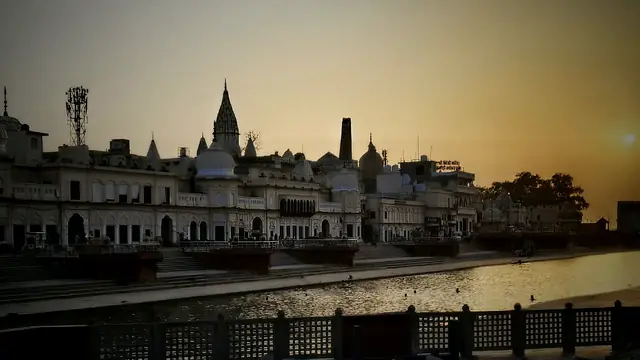
यह पर्व इतना प्रिय है कि दिसंबर दो हज़ार पच्चीस में, यूनेस्को ने दीपावली को मानवता की अमूर्त सांस्कृतिक विरासत की सूची में शामिल किया। यूनेस्को इसे ऐसा पर्व बताता है जो समुदायों, परिवारों और लोगों को जोड़ता है, भारत में भी, और दुनिया भर में बसे भारतीय समुदायों में भी।
It is so loved that in December two thousand twenty five, UNESCO added Deepavali to its list of the Intangible Cultural Heritage of Humanity. It describes a festival that unites communities, families, and individuals, in India and in Indian communities around the world.
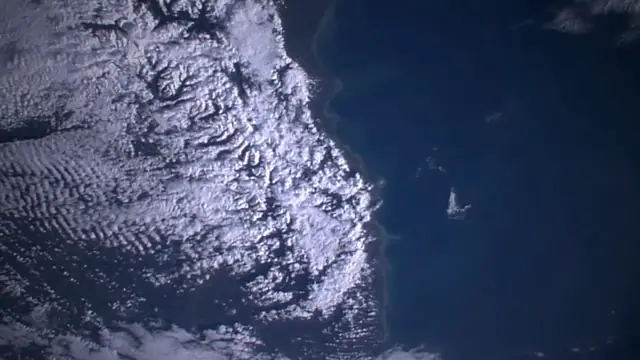
और यह भारत से बहुत दूर तक मनाई जाती है। दर्जन भर देशों में यह सरकारी छुट्टी है, जिनमें नेपाल, सिंगापुर, मलेशिया, मॉरीशस, फ़िजी, गयाना, और त्रिनिदाद और टोबैगो शामिल हैं। जहाँ भी भारतीय परिवारों ने अपना घर बसाया, वहाँ दीप जलते हैं।
And it is celebrated far beyond India. In a dozen countries, it is an official holiday, among them Nepal, Singapore, Malaysia, Mauritius, Fiji, Guyana, and Trinidad and Tobago. Wherever Indian families have made their home, the lamps are lit.
बहुत से लोगों के लिए दिवाली नया साल भी है। यूनेस्को नए साल और नई ऋतु की शुरुआत की बात करता है, और समृद्धि और नई शुरुआत की प्रार्थनाओं की। गुजरात में, नया साल दिवाली के ठीक बाद शुरू होता है।
For many, Diwali is also a new year. UNESCO speaks of the start of a new year and a new season, and of prayers for prosperity and new beginnings. In Gujarat, the new year begins just after Diwali.
तो दिवाली एक ही रात में घर-वापसी है, आशीर्वाद है, और नई शुरुआत भी। और बहुत से घरों में, इस रात एक ऐसे राजकुमार की कथा सुनाई जाती है, जो घर लौटा।
So Diwali is a homecoming, a blessing, and a new beginning, all in one night. And in many homes, the story told on this night is the story of a prince who came home.
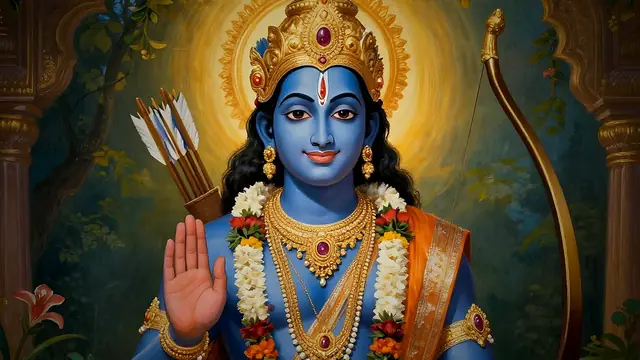
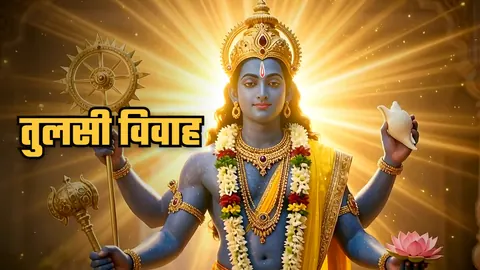
उनका नाम है राम, अयोध्या के प्यारे राजकुमार। भक्त उन्हें स्वयं भगवान विष्णु मानते हैं, जो धरती पर अवतरित हुए। महर्षि वाल्मीकि ने रामायण में उनकी कथा गाई, और पीढ़ियों से लोग इसे प्रेम करते हैं।
His name is Rama, the beloved prince of Ayodhya. Devotees revere him as Lord Vishnu himself, come to earth. The sage Valmiki sang his story in the Ramayana, and it has been loved for generations.
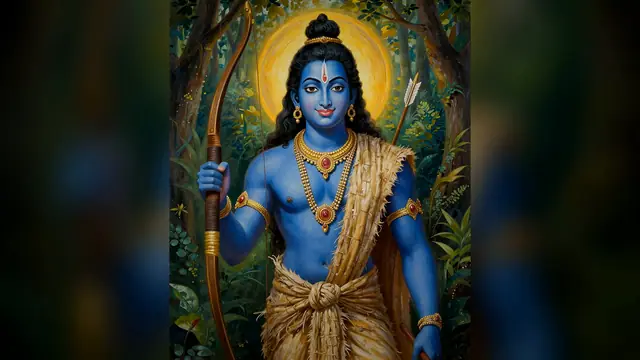
अपने पिता, राजा दशरथ, के एक पुराने वचन के कारण, राम को चौदह वर्ष के लिए वन भेजा गया। उनकी पत्नी सीता उनके साथ गईं, और उनके निष्ठावान भाई लक्ष्मण भी।
Because of a promise his father, King Dasharatha, had once made, Rama was sent to the forest for fourteen years. His wife Sita went with him, and so did his faithful brother, Lakshmana.
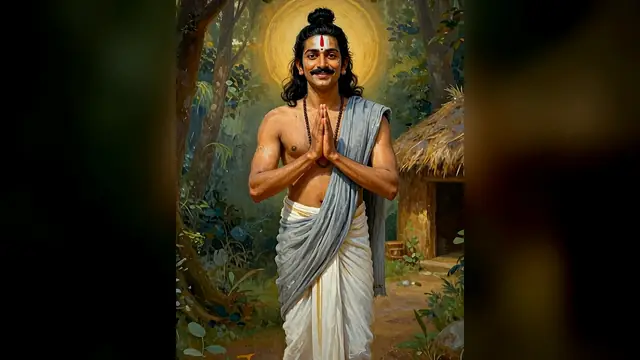
अयोध्या में, उनके छोटे भाई भरत ने भी एक व्रत लिया। उन्होंने राम की लकड़ी की पादुकाएँ सिंहासन पर रखीं, तपस्वी के वेश में नंदीग्राम में रहे, और राम के नाम पर राज चलाया, भाई के लौटने की राह देखते हुए।
In Ayodhya, his younger brother Bharata made a vow of his own. He placed Rama's wooden padukas on the throne, went to live at Nandigrama in the dress of an ascetic, and ruled in Rama's name, waiting for his brother to return.
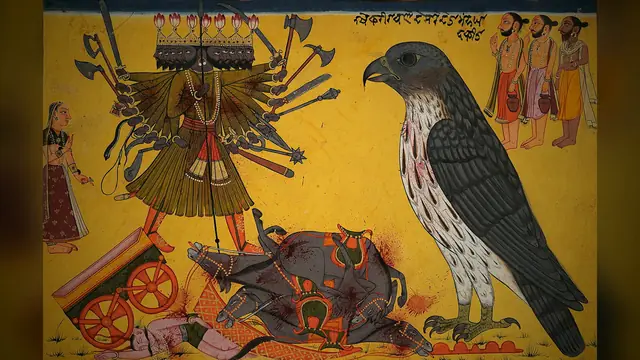
वन में, राक्षसों के राजा रावण ने सीता का हरण किया, और उन्हें लंका ले गया। राम और लक्ष्मण उन्हें खोजने निकले, और उनके साथ आ मिले वानरों के राजा सुग्रीव, और उनके महान मंत्री, हनुमान।
In the forest, Ravana, the king of the rakshasas, carried Sita away to Lanka. Rama and Lakshmana set out to find her, and they were joined by Sugriva, the king of the monkeys, and by his great minister, Hanuman.
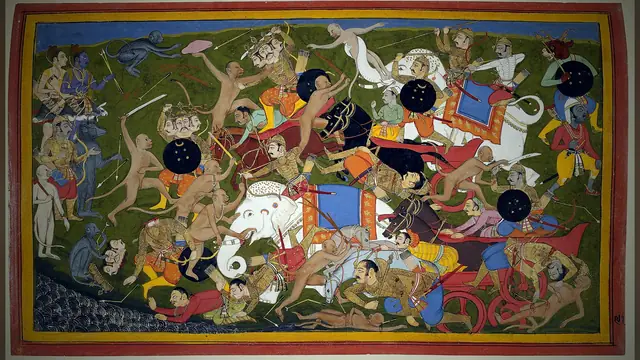
वानर सेना के साथ, नल ने समुद्र पर सेतु बनाया। राम लंका पहुँचे, और एक महायुद्ध के बाद, उन्होंने रावण को पराजित किया। अधर्म पर धर्म की जीत हुई।
With the monkey army, a bridge was built across the sea by Nala. Rama crossed to Lanka, and after a great war, he defeated Ravana. Dharma had triumphed over adharma.
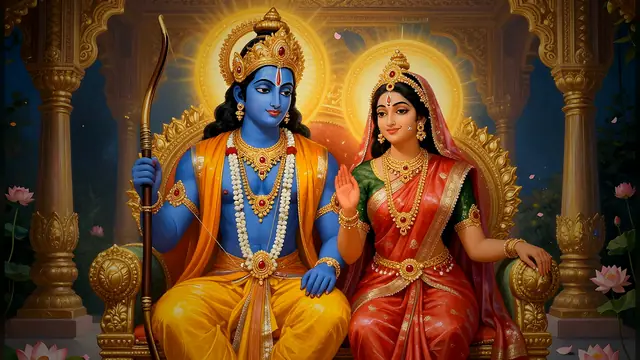
सीता मुक्त हो गईं, और चौदह वर्ष पूरे होने को थे। भरत राह देख रहे थे, और राम को घर लौटने की जल्दी थी।
Sita was free, and the fourteen years were almost over. Bharata was waiting, and Rama was in a hurry to go home.
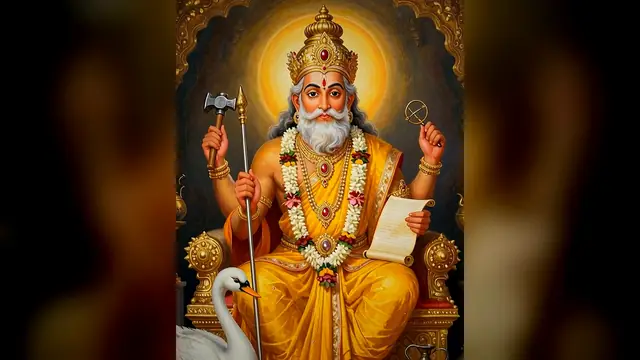
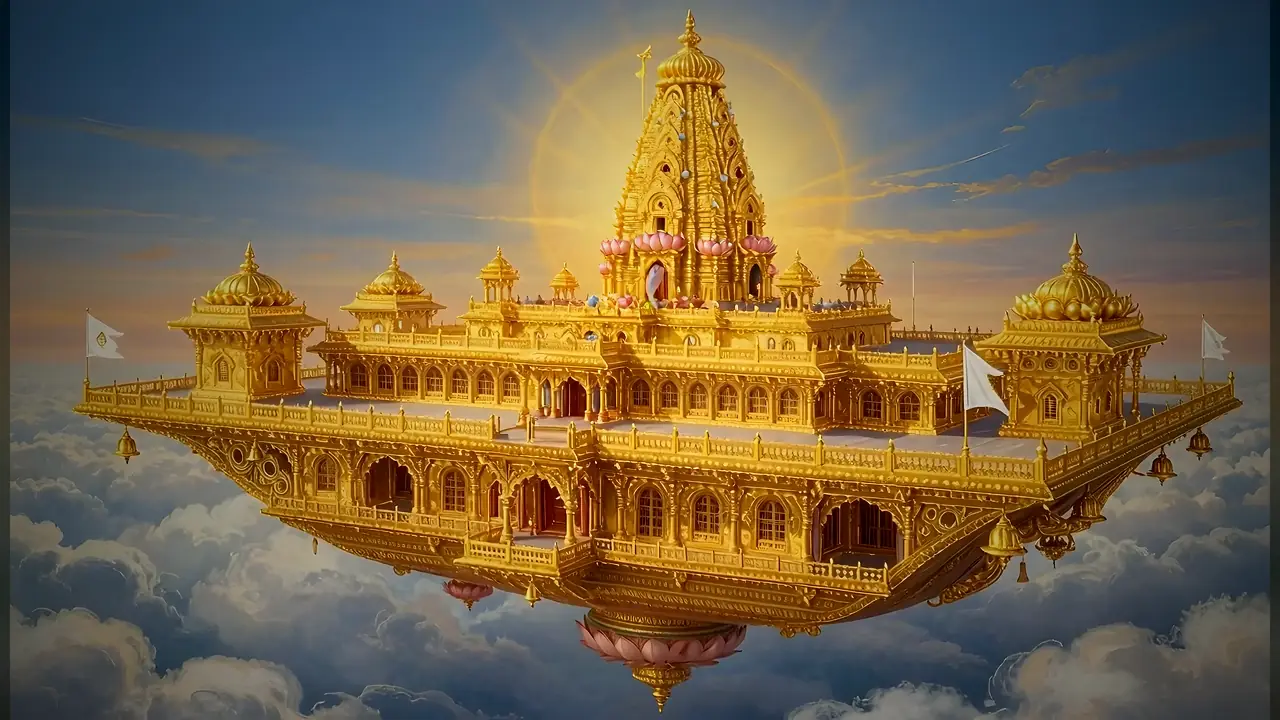
तब लंका के नए राजा विभीषण ने पुष्पक विमान को बुलाया, देवताओं का पुष्पों से सजा रथ। वाल्मीकि कहते हैं कि इसे दिव्य शिल्पी विश्वकर्मा ने बनाया था, और यह धन के देवता कुबेर का था।
So Vibhishana, the new king of Lanka, summoned the Pushpaka Vimana, the flowery chariot of the gods. Valmiki says it was built by Vishwakarma, the divine architect, and that it belonged to Kubera, the god of wealth.
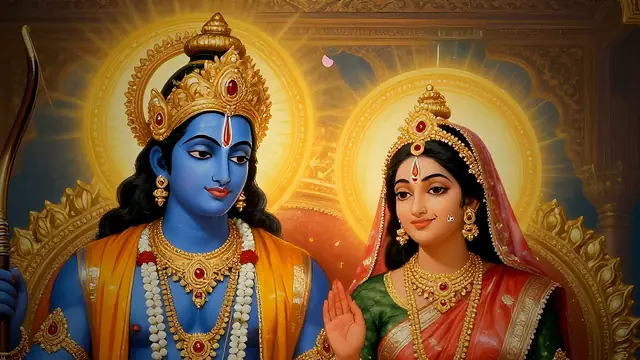
रावण ने एक समय इसे कुबेर से छीन लिया था। अब यह अयोध्या के सच्चे राजा राम की सेवा करेगा।
Ravana had once taken it from Kubera by force. Now it would serve Rama, the rightful king of Ayodhya.
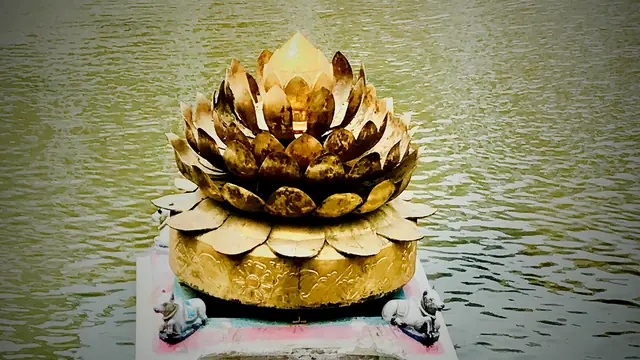
वाल्मीकि इसका वर्णन बड़े विस्मय से करते हैं। यह सूर्य की तरह चमकता है, और सोने से, सुनहरे कमलों से, और चाँदी से सजा है। इसमें रत्नों से जड़े आसन हैं, सफ़ेद पताकाएँ हैं, और छोटी-छोटी घंटियों की लड़ियाँ हैं, जो मधुर स्वर में बजती हैं।
Valmiki describes it with wonder. It shines like the sun, and it is decorated with gold, with golden lotuses, and with silver. It has seats covered with precious gems, white flags, and networks of tiny bells that ring with a sweet sound.
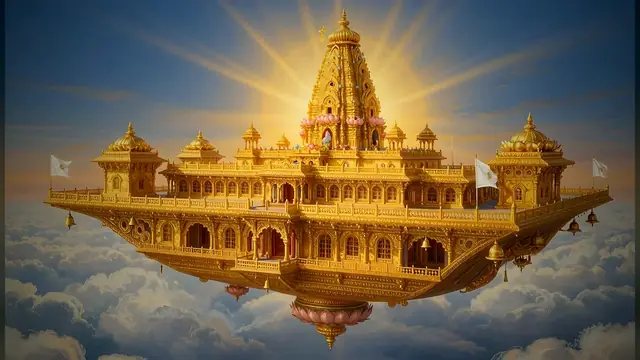
यह मेरु पर्वत के शिखर जैसा दिखता है, मन की गति से उड़ता है, और जहाँ इसका स्वामी चाहे, वहाँ जाता है। राम, सीता और लक्ष्मण इसमें सवार होते हैं, विभीषण, सुग्रीव और वानर सेना के साथ, और रथ आकाश में उठता है।
It looks like a summit of Mount Meru, as swift as thought, and it goes wherever its master wishes. Rama, Sita, and Lakshmana climb aboard, with Vibhishana, Sugriva, and the monkey army, and the chariot rises into the sky.
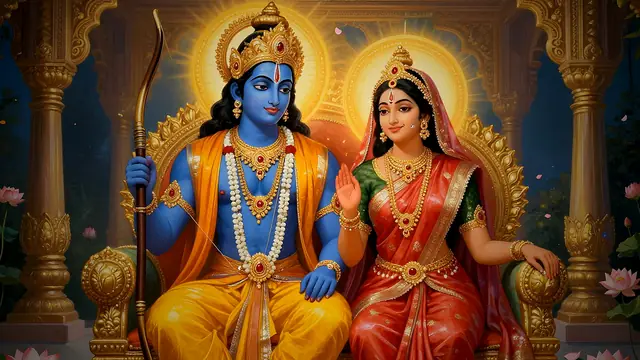
इसके बाद आता है इस महाकाव्य का सबसे सुंदर अंश। उत्तर की ओर उड़ते हुए, राम नीचे के स्थान सीता को दिखाते हैं। यह रही लंका, अपने पर्वत पर, और यह रही युद्धभूमि।
What follows is one of the most beautiful passages in the epic. As they fly north, Rama points out the places below to Sita. Here is Lanka, on its mountain, and here is the battlefield.
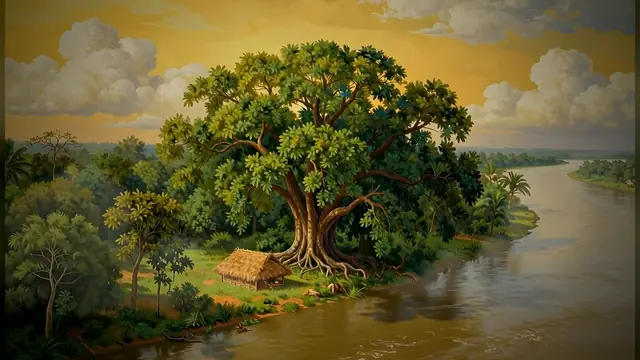
यह रहा वह सेतु जो नल ने समुद्र पर बनाया। वह रही किष्किंधा, वानरों का राज्य, और वह रही पंचवटी, जहाँ से सीता का हरण हुआ था। चित्रकूट, यमुना, गंगा। और आख़िरकार, अयोध्या।
Here is the bridge that Nala built across the sea. There is Kishkindha, the kingdom of the monkeys, and there is Panchavati, where Sita was taken. Chitrakuta, the Yamuna, the Ganga. And at last, Ayodhya.
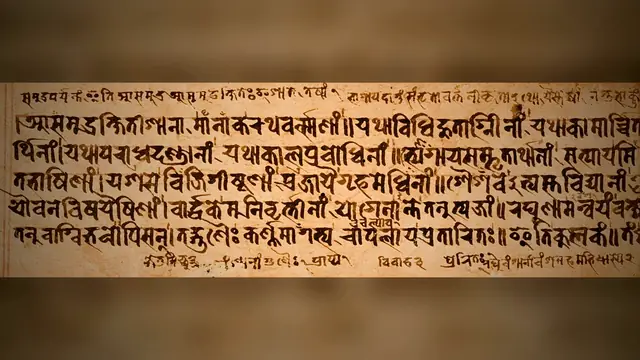
सदियों बाद, महाकवि कालिदास ने अपने काव्य रघुवंश में इसी उड़ान का गान किया। आकाश से सुनाई गई एक घर-वापसी।
Centuries later, the great poet Kalidasa sang of this same flight in his poem, the Raghuvamsha. A homecoming, told from the sky.
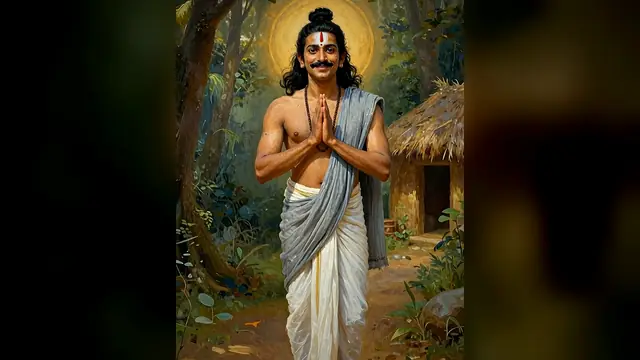
अयोध्या में, समाचार पहले ही पहुँच चुका था। हनुमान आगे गए थे, और भरत ने यह परम आनंद का समाचार सुनकर, अपने भाई शत्रुघ्न को बुलाया और आदेश दिए। नगर के हर देवालय में पूजा हो।
In Ayodhya, the news had already come. Hanuman had gone ahead, and Bharata, hearing of this great happiness, called his brother Shatrughna and gave his orders. Let every shrine in the city be worshipped.
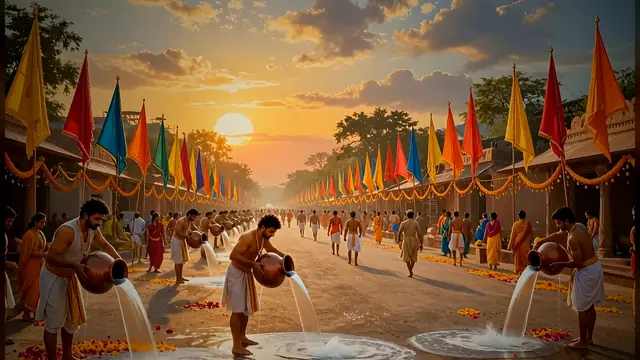
नंदीग्राम से अयोध्या तक का मार्ग समतल किया जाए, और उस पर शीतल जल छिड़का जाए। फूल बिखेरे जाएँ, और गलियाँ पताकाओं से सजें। और लोग शंख और नगाड़े लेकर निकल पड़े, राम का चंद्रमा जैसा मुख देखने।
Let the road from Nandigrama to Ayodhya be levelled, and sprinkled with cool water. Let flowers be scattered, and the streets be lined with flags. And the people came out with conches and drums, to see the moon-like face of Rama.
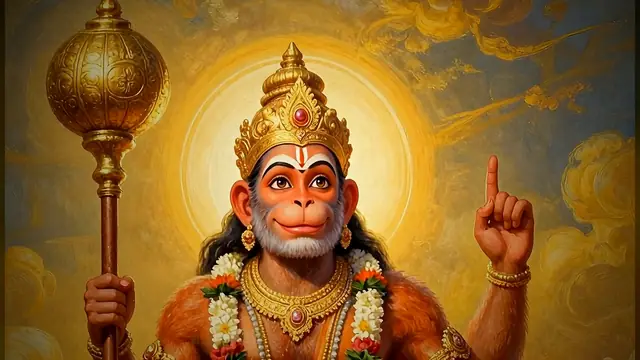
भरत बाहर आए, उपवास से दुर्बल, वल्कल पहने, सिर पर भाई की पादुकाएँ उठाए। तब हनुमान ने आकाश की ओर इशारा किया। वहाँ, चंद्रमा की तरह चमकता हुआ, पुष्पक विमान था।
Bharata walked out, thin from fasting, dressed in bark, and on his head he carried his brother's padukas. Then Hanuman pointed to the sky. There, shining brightly like the moon, was the Pushpaka.
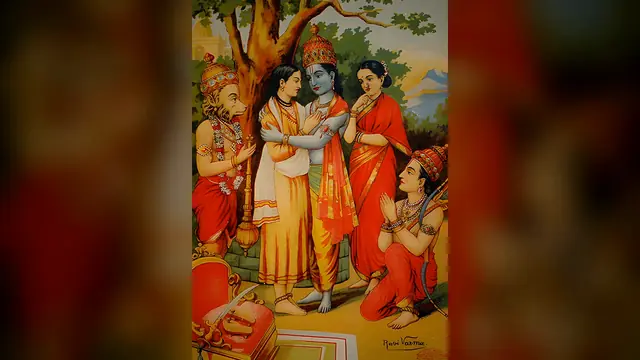
रथ नंदीग्राम में उतरा। भरत ने श्रद्धा से झुककर प्रणाम किया, और राम ने अपने भाई को गोद में बिठाकर, इतने वर्षों बाद, आनंद से गले लगा लिया।
The chariot came down at Nandigrama. Bharata bowed low in reverence, and Rama took his brother onto his lap and embraced him with joy, after so many years.
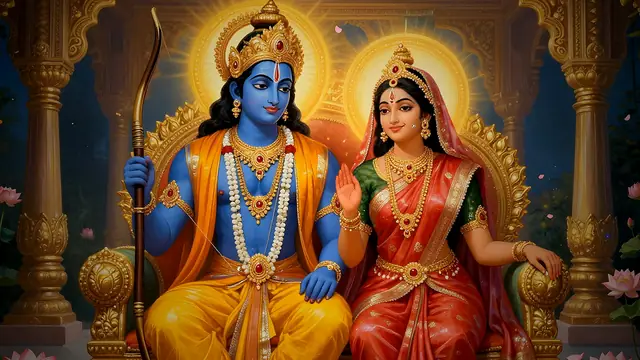
तब भरत ने अपना वचन निभाया। उन्होंने पादुकाएँ राम के चरणों में रखीं, और कहा, यह पूरा राज्य, जो आपने मुझे धरोहर के रूप में सौंपा था, मैं आज आपको लौटाता हूँ। आज मेरा जीवन सफल हो गया।
Then Bharata kept his promise. He placed the padukas at Rama's feet, and he said, this entire kingdom, which you left with me as a trust, I now return to you. My life has accomplished its purpose today.
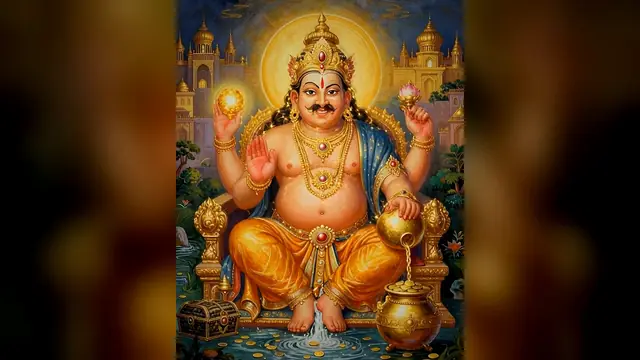
राम ने माताओं को प्रणाम किया, और पुष्पक से कहा। कुबेर के पास लौट जाओ, उनकी सेवा करो। मैं तुम्हें विदा करता हूँ। और रथ उत्तर को उड़ चला।
Rama greeted his mothers, and then he spoke to the Pushpaka. Go back to Kubera, and serve him. I give you leave. And the chariot flew away to the north.
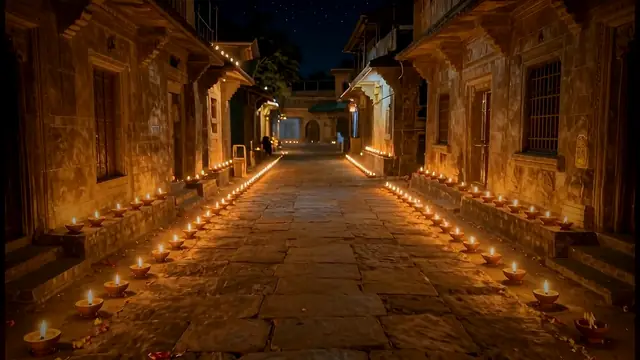
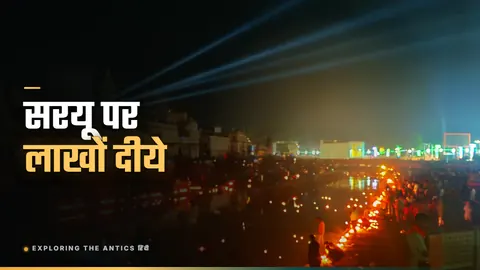
परंपरा कहती है कि उस रात, अयोध्या के लोगों ने हर गली में, और हर द्वार पर दीप जलाए। दिवाली अमावस्या की रात मनाई जाती है, महीने की सबसे अँधेरी रात, और इसीलिए वह रात सबसे उजली बन गई।
Tradition holds that on that night, the people of Ayodhya lit lamps along every street and at every doorstep. Diwali is kept on the night of the new moon, the darkest night of the month, and so that night became the brightest of all.
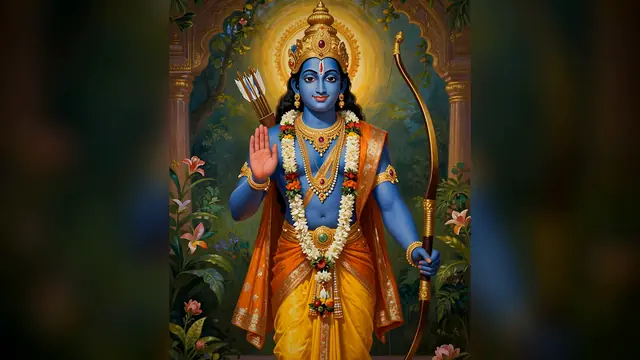
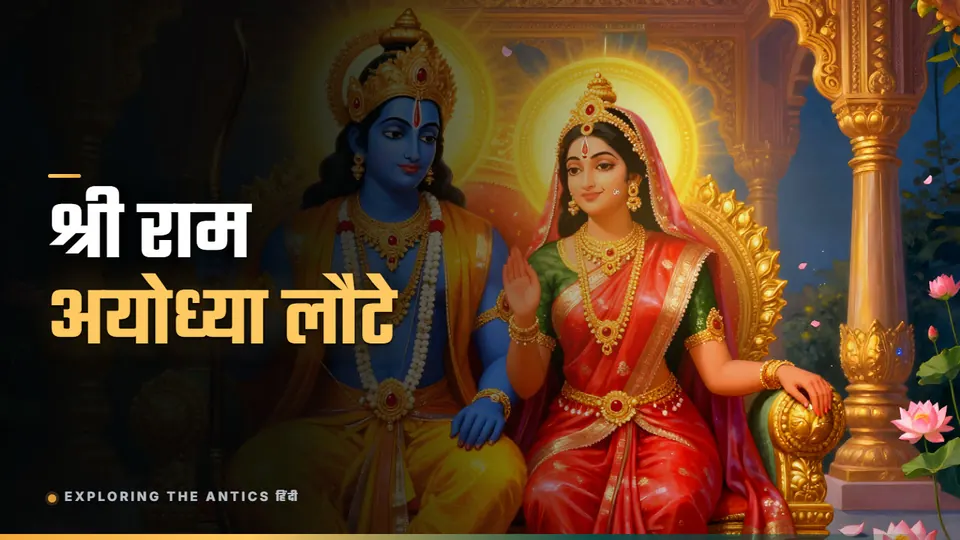
फिर राज्याभिषेक हुआ। महर्षि वसिष्ठ ने राम और सीता को रत्नों के आसन पर बिठाया, और राम का अभिषेक किया, चारों समुद्रों और अनेक नदियों से लाए गए सुगंधित जल से।
Then came the coronation. The sage Vasishtha seated Rama and Sita on a seat of jewels, and consecrated Rama with fragrant water, brought from the four oceans and from many rivers.
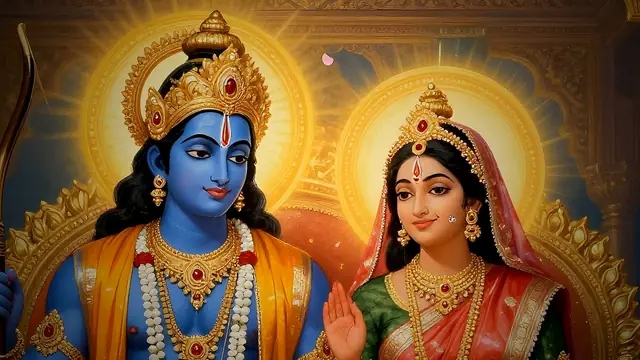
वह मुकुट, जिसे स्वयं ब्रह्मा ने सृष्टि के आरंभ में बनाया था, राम के सिर पर रखा गया। देवता उपस्थित थे, गंधर्वों ने गान किया, और धरती ने भरपूर फ़सल दी।
The crown that Brahma himself had made, at the beginning of creation, was placed upon Rama's head. The gods were present, heavenly musicians sang, and the earth bore a rich harvest.
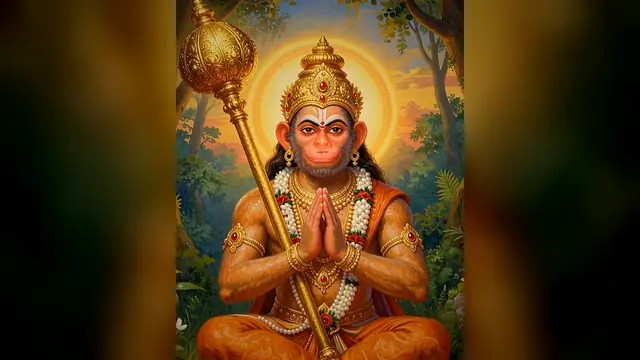
सीता ने हनुमान को मोतियों का हार दिया, जिन्होंने यह दिन लाने में इतना किया। और महाकाव्य कहता है, हनुमान ऐसे चमके, जैसे सफ़ेद बादल से रुपहला पर्वत।
Sita gave a pearl necklace to Hanuman, who had done so much to bring this day about. And Hanuman shone, the epic says, like a mountain silvered by a white cloud.
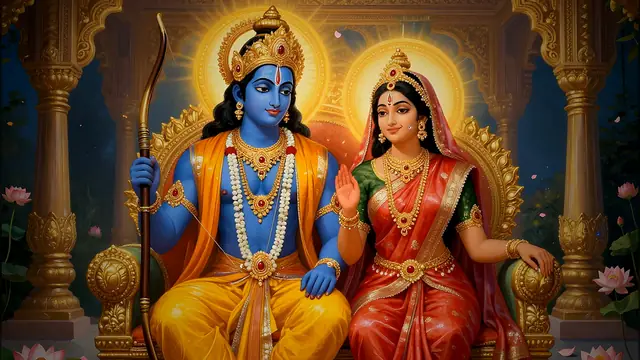
और इस तरह शुरू हुआ रामराज्य, राम का राज। वाल्मीकि कहते हैं कि न कोई विधवा विलाप करती थी, न रोग का भय था, और न कोई चोर था। हर प्राणी प्रसन्न था, हर व्यक्ति धर्म में लगा था, और बादल समय पर बरसते थे। महाकाव्य के शब्दों में, संसार राम का संसार बन गया।
And so began Ramarajya, the rule of Rama. Valmiki says there were no widows lamenting, no fear of disease, and no thieves. Every creature was pleased, every person was intent on virtue, and the clouds rained in season. The world, in the words of the epic, became Rama's world.
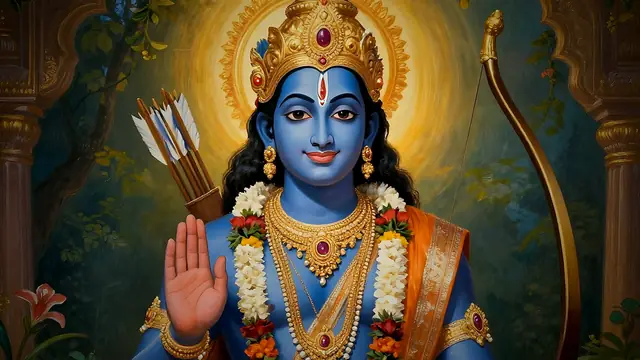
इसीलिए, दिवाली की रात, हम राम को याद करते हैं। उन्होंने वचन निभाया। भरत ने प्रेम निभाया। सीता और लक्ष्मण ने निष्ठा निभाई। और अयोध्या ने उनकी वापसी के लिए दीप जलाए रखा।
This is why, on Diwali night, we remember Rama. He kept his word. Bharata kept his love. Sita and Lakshmana kept faith. And the people of Ayodhya kept a light burning for their return.
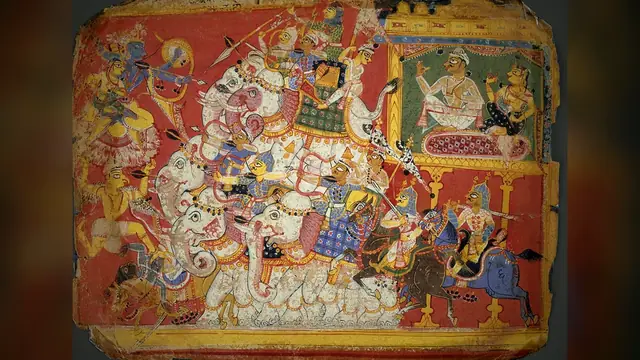
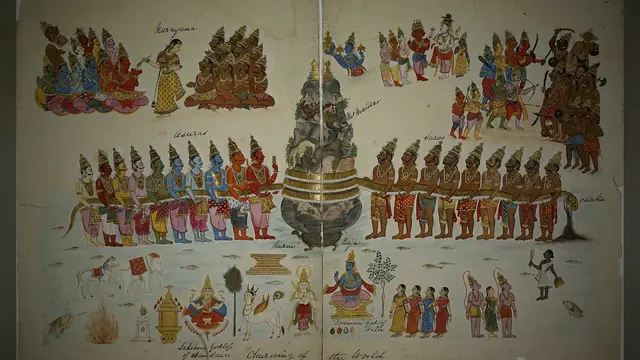
और अलग-अलग घरों में अलग-अलग कथाएँ याद की जाती हैं। बहुत से लोग समुद्र मंथन को याद करते हैं, जब माँ लक्ष्मी जल से प्रकट हुईं। कुछ लोग नरकासुर पर भगवान कृष्ण की विजय को याद करते हैं। इस हफ़्ते, हम ये सारी कथाएँ सुनाएँगे।
And different homes remember different stories. Many remember the churning of the ocean, when Lakshmi rose from its waters. Others remember Lord Krishna's victory over the demon Narakasura. This week, we will tell them all.
अनेक समुदाय, और अनेक धर्म, इन रातों को अपने-अपने ढंग से पवित्र मानते हैं, हर एक का अपना पवित्र इतिहास, और अपनी प्रार्थनाएँ। कथाएँ अलग, ज्योति एक।
Many communities, and many faiths, hold these nights sacred in their own way, each with its own sacred history and its own prayers. Different stories, one light.
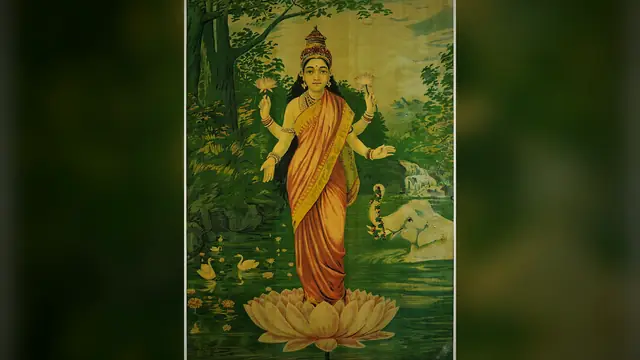
दिवाली समृद्धि की देवी, माँ लक्ष्मी की रात भी है। मुख्य रात को, घरों में लक्ष्मी पूजा होती है, दीपों, फूलों और मिठाइयों के साथ, और आने वाले साल में सुख, शांति और समृद्धि की प्रार्थना के साथ।
Diwali is also the night of Lakshmi, the goddess of prosperity. On the main night, Lakshmi Puja is performed in homes, with lamps, flowers, and sweets, and with prayers for peace and prosperity in the year ahead.
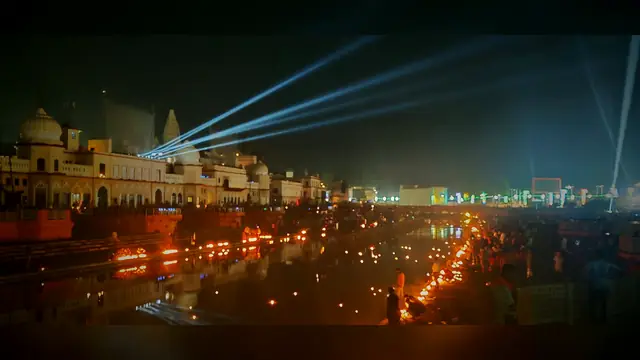
इसीलिए हम घर साफ़ करते हैं, द्वार खोलते हैं। देहरी पर दीप जलाकर, हम वही करते हैं जो अयोध्या ने किया। हम उजाले का स्वागत करते हैं।
This is why we clean our homes and open our doors. When we light a lamp at the threshold, we do what Ayodhya did. We welcome the light in.
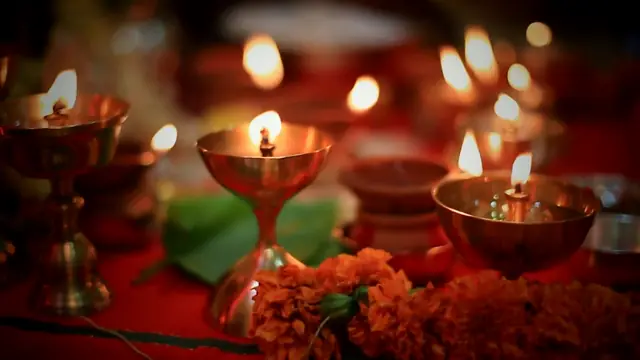
कथा कोई भी हो, दीप एक ही बात कहता है। उजाला अँधेरे से बड़ा है। अच्छाई बुराई से बड़ी है। और एक साथ रहने वाला परिवार, हर दूरी से बड़ा है।
Whatever the story, the lamp says the same thing. Light is stronger than darkness. Goodness is stronger than evil. And a family, together, is stronger than every distance.
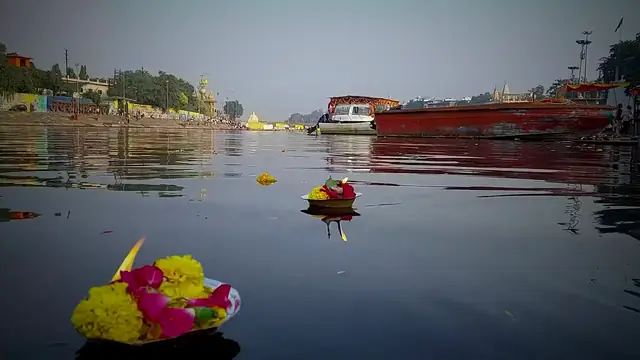
अगर दिवाली आपके परिवार का नया साल है, तो यह अच्छे स्वास्थ्य और शांति से शुरू हो। अगर आप इस साल घर से दूर हैं, वही उजाला आप तक पहुँचे, और आपकी यात्रा, राम की तरह, स्वागत पर पूरी हो।
If Diwali is the start of a new year for your family, may it begin with good health and peace. If you are far from home this year, may the same light reach you, and may your journey end, as Rama's did, in a welcome.
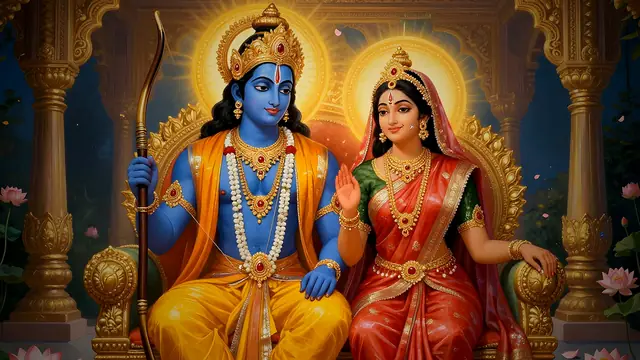
आपको और आपके परिवार को दिवाली की शुभकामनाएँ। भगवान राम और माँ लक्ष्मी का आशीर्वाद आपके घर पर बना रहे।
A very happy Diwali to you and your family. May the blessings of Lord Rama and Goddess Lakshmi be with your home this year.
आप अपने घर की कौन-सी दिवाली याद अपने साथ रखते हैं? द्वार के दीप, मिठाइयाँ, पूरा परिवार साथ?
Which Diwali memory do you carry from your own home? The lamps at the door, the sweets, the family together? And next time, the gods and the asuras churn the ocean of milk, in the Samudra Manthan, and from its waters rises Lakshmi, the goddess of Diwali night.